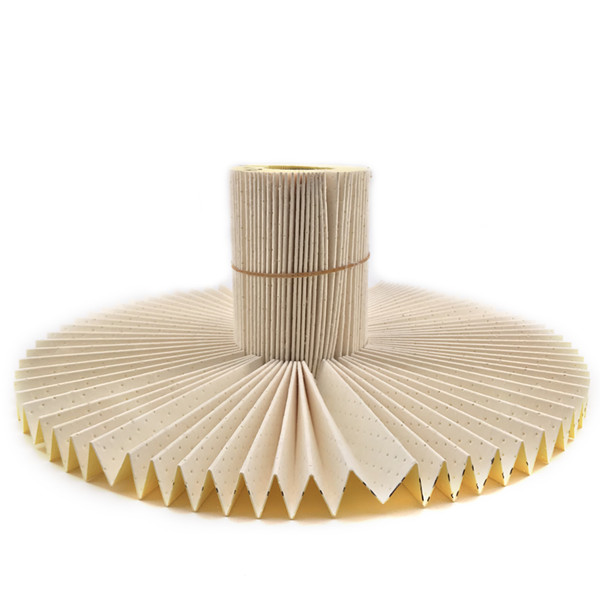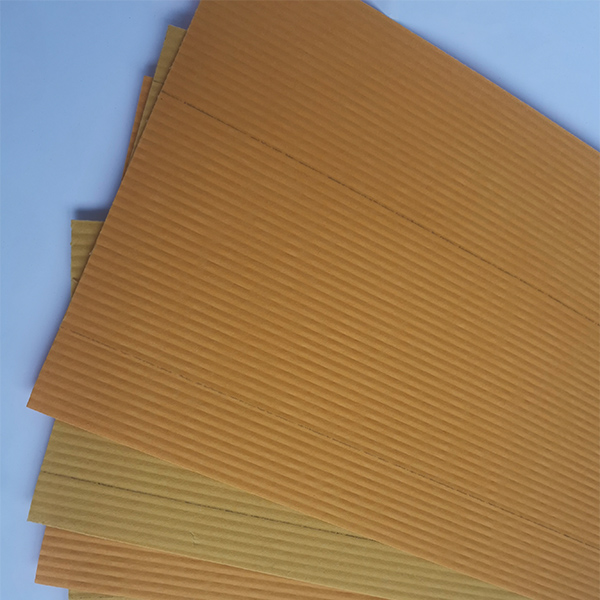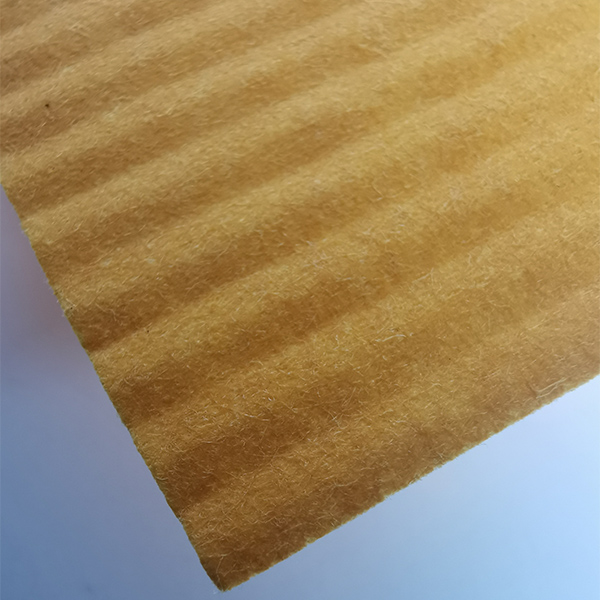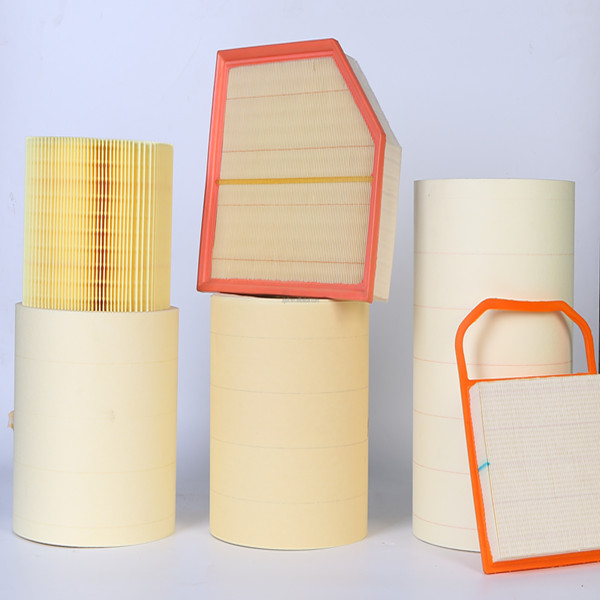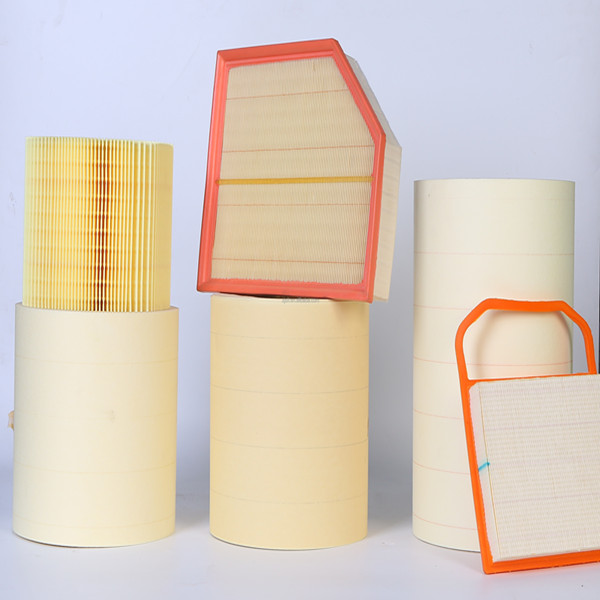
Impapuro zo mu kirere
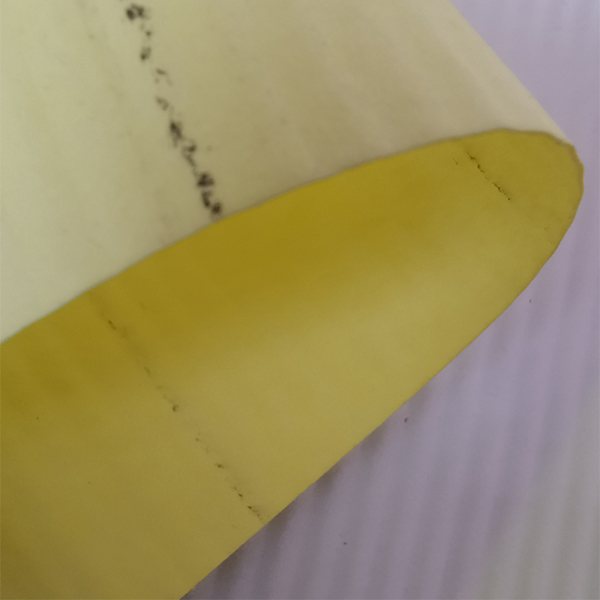
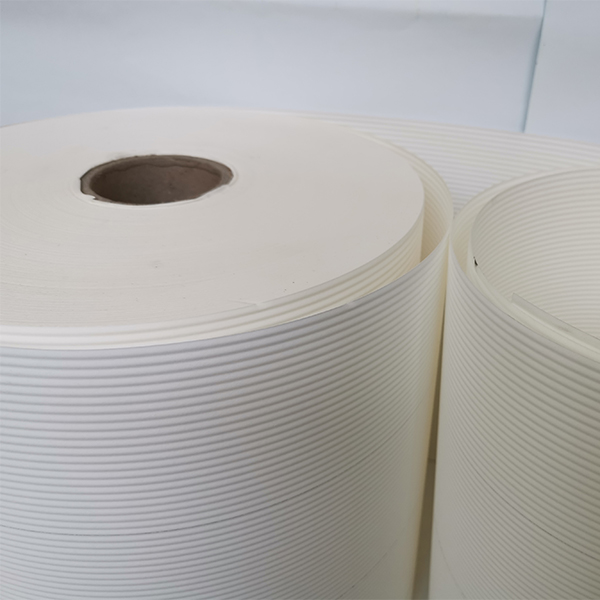
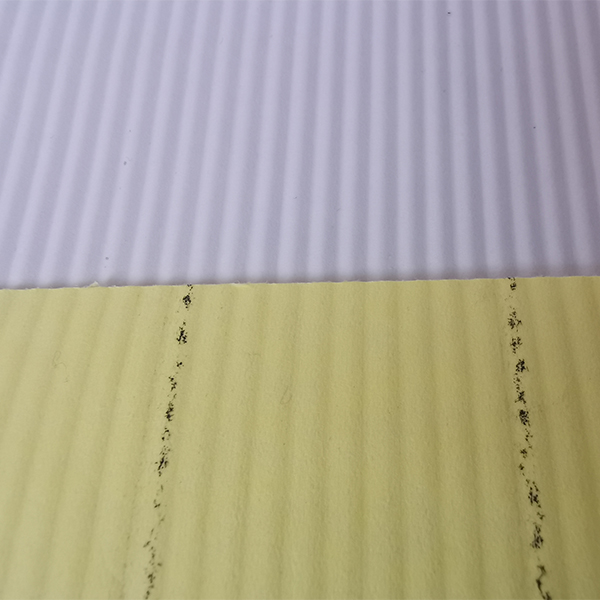
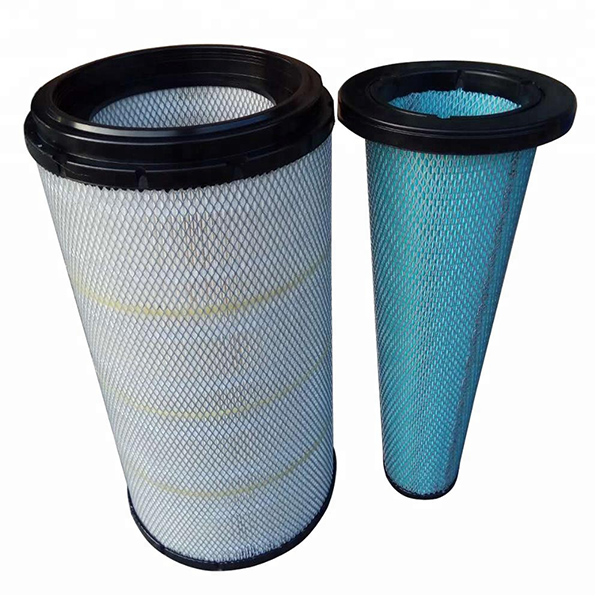
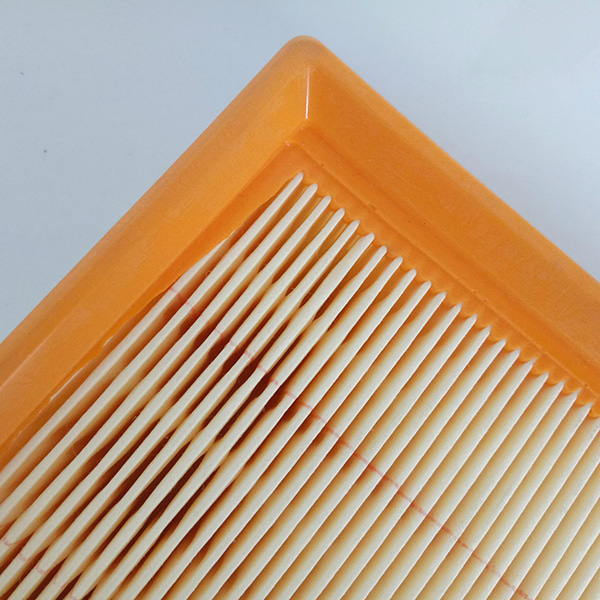
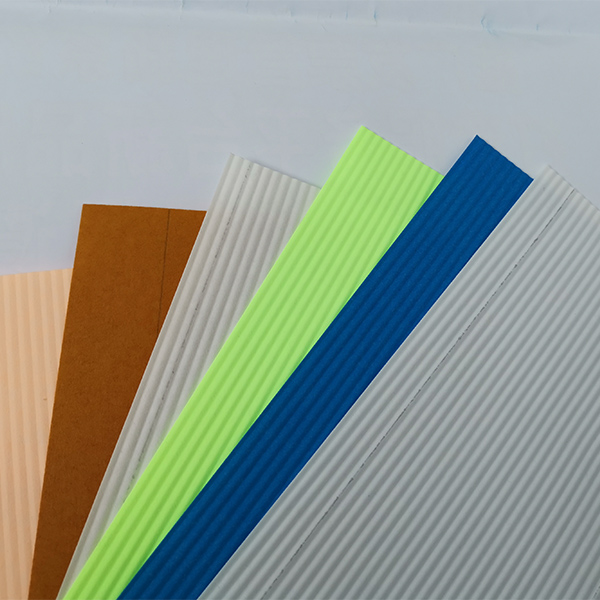
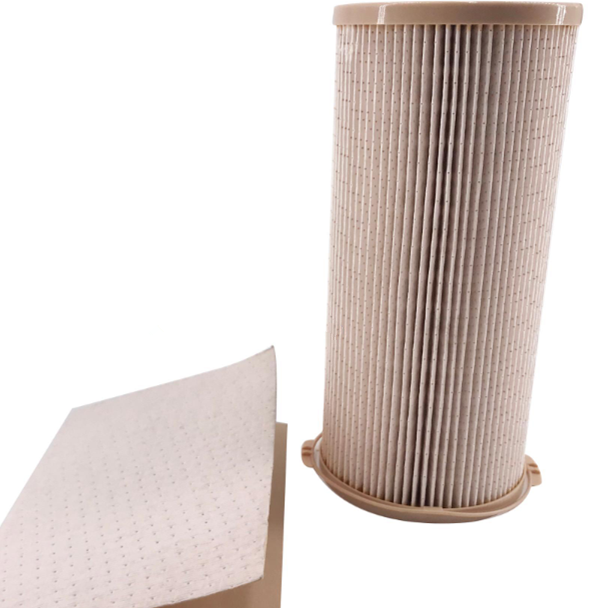
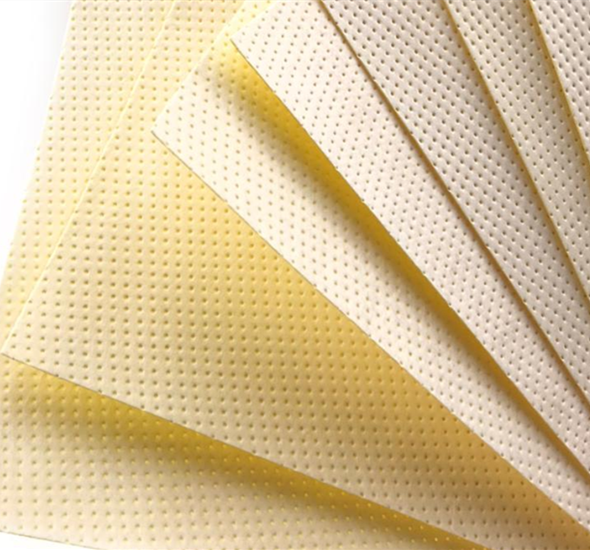
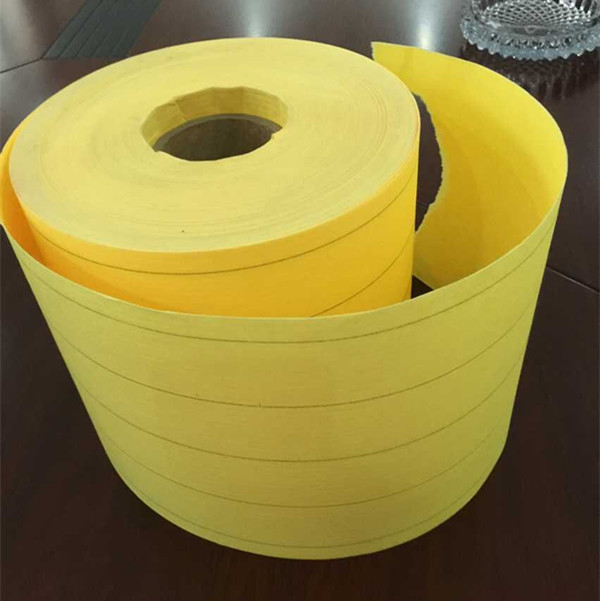
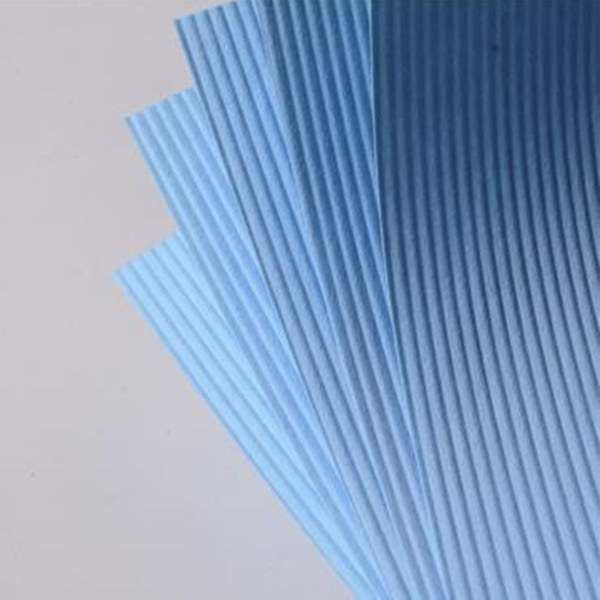
Akayunguruzo itangazamakuru rikozwe mubiti byo mu rwego rwo hejuru nkibikoresho fatizo.
Ibiranga ibicuruzwa:
Umwuka mwiza
Kurungurura hejuru neza kandi neza
Ubushobozi bwo gufata umukungugu mwinshi
Kwinangira gukomeye no kurwanywa guturika
Gusaba: Akayunguruzo k'ibinyabiziga bitandukanye, imashini.
Ibisobanuro ku bicuruzwa:
Ibikoresho bya selile cyangwa 80% Cellulose + 20% fibre ya sintetike
Resin Acrylic
Uburemere bwibanze 105-180g / m2
Ikirere cyo mu kirere 110-850L / m2s
Icyitonderwa: Ibindi bisobanuro nabyo birahari ukurikije ibyo umukiriya asabwa cyangwa icyitegererezo.
Difference between air filter paper and HEPA filter media
Air filter paper and HEPA filter media serve similar purposes but differ significantly in efficiency, material composition, and applications. Air filter paper is typically made from cellulose fibers, synthetic fibers, or a blend of both, designed to capture larger particles like dust and pollen. It is commonly used in residential HVAC systems, automotive air filters, and industrial applications where moderate filtration is sufficient.
HEPA (High-Efficiency Particulate Air) filter media, on the other hand, is engineered to meet strict standards, capturing at least 99.97% of particles as small as 0.3 microns. HEPA media consists of densely packed glass fibers or synthetic materials arranged in a complex web-like structure, providing superior filtration for sensitive environments like hospitals, cleanrooms, and laboratories. While air filter paper is cost-effective for general use, HEPA media is essential for applications requiring ultra-fine particle removal.
Is air filter paper eco-friendly or recyclable?
Air filter paper can be eco-friendly depending on its materials and manufacturing process. Traditional cellulose-based filter paper is biodegradable, making it a more sustainable option compared to synthetic alternatives. However, many modern air filter papers incorporate synthetic fibers to enhance durability and filtration efficiency, which may reduce recyclability.
While used air filter paper is often contaminated with dust and pollutants, making recycling challenging, certain specialized recycling programs may process clean, unused filter paper. To minimize environmental impact, users should opt for filters made from natural fibers, dispose of them properly, or explore reusable/washable alternatives where applicable.
How to choose the right air filter paper for your application
Selecting the right air filter paper depends on several factors, including filtration efficiency, airflow resistance, and environmental conditions. First, determine the particle size you need to capture—general dust and pollen require standard filter paper, while finer particles may need a higher-efficiency media.
Next, consider the operating environment. High-humidity or high-temperature applications may require synthetic or treated filter paper to prevent degradation. For industrial settings, chemical resistance and durability are crucial. Additionally, assess the airflow resistance; a denser filter may trap more particles but could reduce system efficiency if not compatible with your equipment.
ac filter paper
air filter paper material
hepa filter paper roll