Choosing the Right oil filter paper supplier for Industrial Applications
Working in the industrial equipment sector for over a decade, I’ve come to realize that the smallest components sometimes make the biggest difference. Take oil filter paper, for example. It sounds straightforward — just a sheet of paper filtering oil — but it’s a cornerstone for machine reliability, especially in heavy-duty environments like construction, manufacturing, or automotive industries.
Oddly enough, not many give much thought to their oil filter paper supplier until something goes wrong. But when you do start noticing machine wear, compromised performance, or higher maintenance costs, that’s when the quality of the filter media really grabs your attention.
From my experience, the right supplier not only provides consistent product quality but also helps you understand how product specs translate into everyday performance. Here’s what I’ve learned about finding the best fit and what to expect in 2024’s industrial landscape.
Understanding the Product – More Than Just Paper
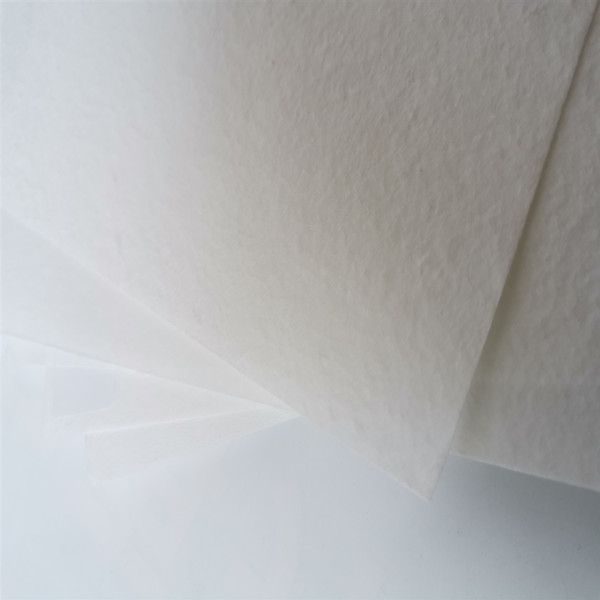
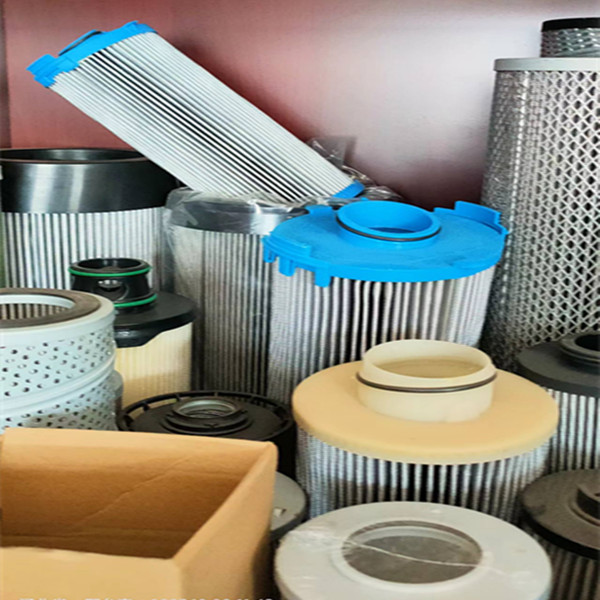
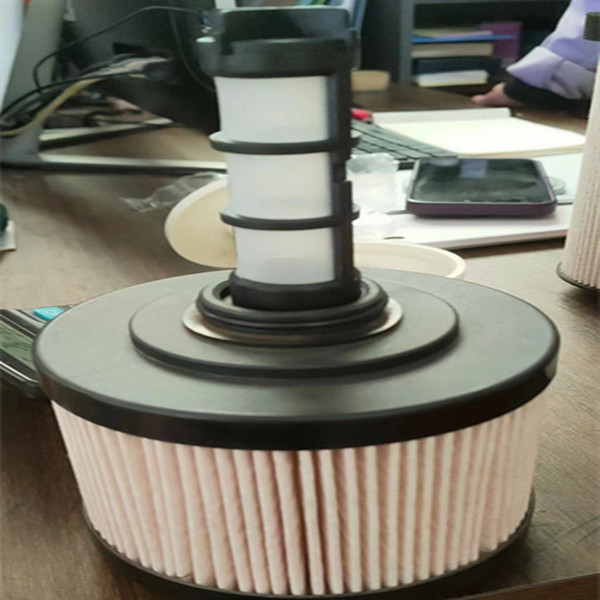
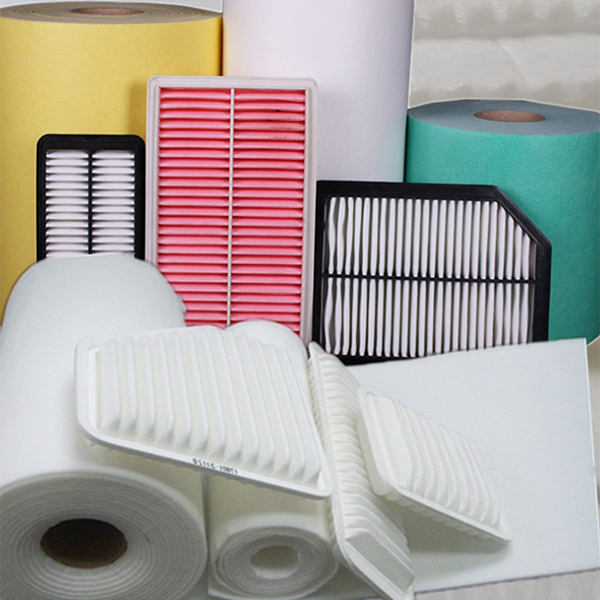
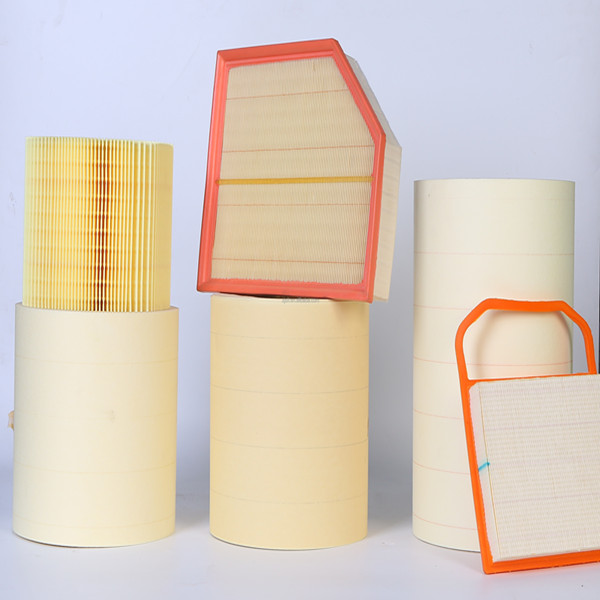
Oil filter paper is specifically engineered to trap contaminants ranging from microscopic particles to larger debris while allowing oil to flow smoothly. Materials often include cellulose, synthetic fibers, or blends — each with pros and cons.
For instance, cellulose-based filters tend to be cost-effective but might not last as long under harsh conditions. Synthetic fibers add durability and better filtration efficiency, especially for engines exposed to extreme temperatures. I’ve noticed customers leaning more towards synthetics lately, as equipment runs hotter and longer.
The manufacturing process involves layering fibers with precise density control, sometimes incorporating resins or special binders for strength. It’s not just “paper” — it’s engineered media designed to balance filtration efficiency, oil flow rate, and longevity.
| Specification | Typical Value | Notes |
|---|---|---|
| Material Type | Cellulose/Synthetic Blend | Balance of cost & durability |
| Thickness | 0.25 - 0.40 mm | Optimized for flow and capture |
| Filtration Efficiency | >98% @ 10 microns | Critical for engine longevity |
| Burst Strength | ≥ 250 kPa | Ensures durability under pressure |
| Oil Compatibility | Mineral & synthetic oils | Versatile across engine types |
Finding a Reliable Oil Filter Paper Supplier
Here’s where it gets interesting. In industrial supply, the supplier relationship simply isn’t transactional — it’s more of a partnership. You want a vendor who understands your needs, offers customization, and backs their product with credible testing.
I’ve worked with several suppliers over the years. Some are strong on price but fall short on quality or lead times. Others have great R&D but the pricing can be steep. It feels like a balancing act.
Among major players, I compiled a quick comparison that reflects what I’ve seen firsthand and heard from colleagues:
| Supplier | Product Quality | Customization Options | Delivery & Lead Time | Price Competitiveness |
|---|---|---|---|---|
| Anya Filter Media | High - Lab tested, consistent | Wide range, bespoke options | Reliable, 2–3 weeks typical | Competitive, especially bulk |
| Supplier B | Medium - Variable batches | Limited custom sizes | Long lead times (4–6 weeks) | Lower but quality tradeoff |
| Supplier C | High - Premium materials | Custom filters & media | Fast (1-2 weeks) | Premium pricing |
Why It Matters – A Quick Customer Story
One of our longtime clients, a heavy machinery rental business, switched to a higher-grade oil filter paper from a trusted supplier I recommended (hint: check out Anya Filter Media). After the switch, their engine maintenance complaints dropped by nearly 30% in six months. It’s not magic, just better filtration translating to less wear and downtime.
They couldn’t ignore the ROI either — fewer replacements, less labor, and smoother operation. It’s real-world proof that investing slightly more upfront pays off in the long haul.
Frankly, it reinforced something I’ve known for years: in industrial equipment, longevity starts with quality inputs. Oil filter paper suppliers that get you there aren’t just vendors — they’re critical partners.
So if you’re sourcing your next batch or switching suppliers, keep these points in mind. Look beyond price. Ask about filtration efficiency tests. Understand material composition. Sort of build that relationship, even if it’s just over email or a few calls. It all adds up.
In real terms, your machines (and budget) will thank you.
References:
- “Industrial Oil Filtration: Material and Mechanical Considerations,” Journal of Equipment Maintenance, 2022.
- “Trends in Synthetic Filter Media for Heavy-Duty Engines,” FilterTech Magazine, 2023.
- Direct experience from industrial supply chain cases (2015-2024).
Post time: Dec-03-2025