Woven Wire Mesh Filter: A Comprehensive Guide
Selecting the right filtration solution is critical for a wide range of industrial applications. Woven wire mesh filters offer a robust and versatile solution for solid-liquid separation. This article provides a detailed overview of woven wire mesh filters, their applications, benefits, and factors to consider when choosing the right filter for your needs. Understanding these filters can significantly improve process efficiency and product quality.
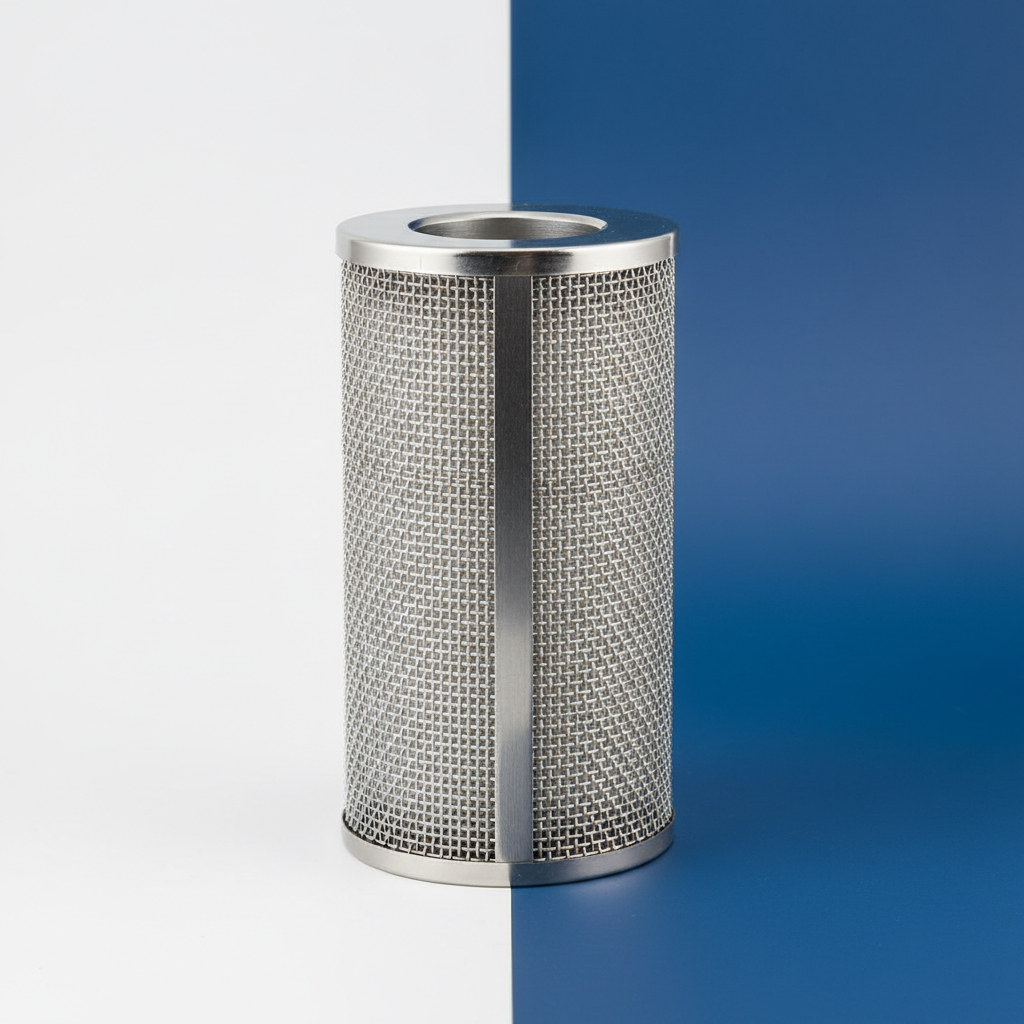
Understanding Woven Wire Mesh Filters
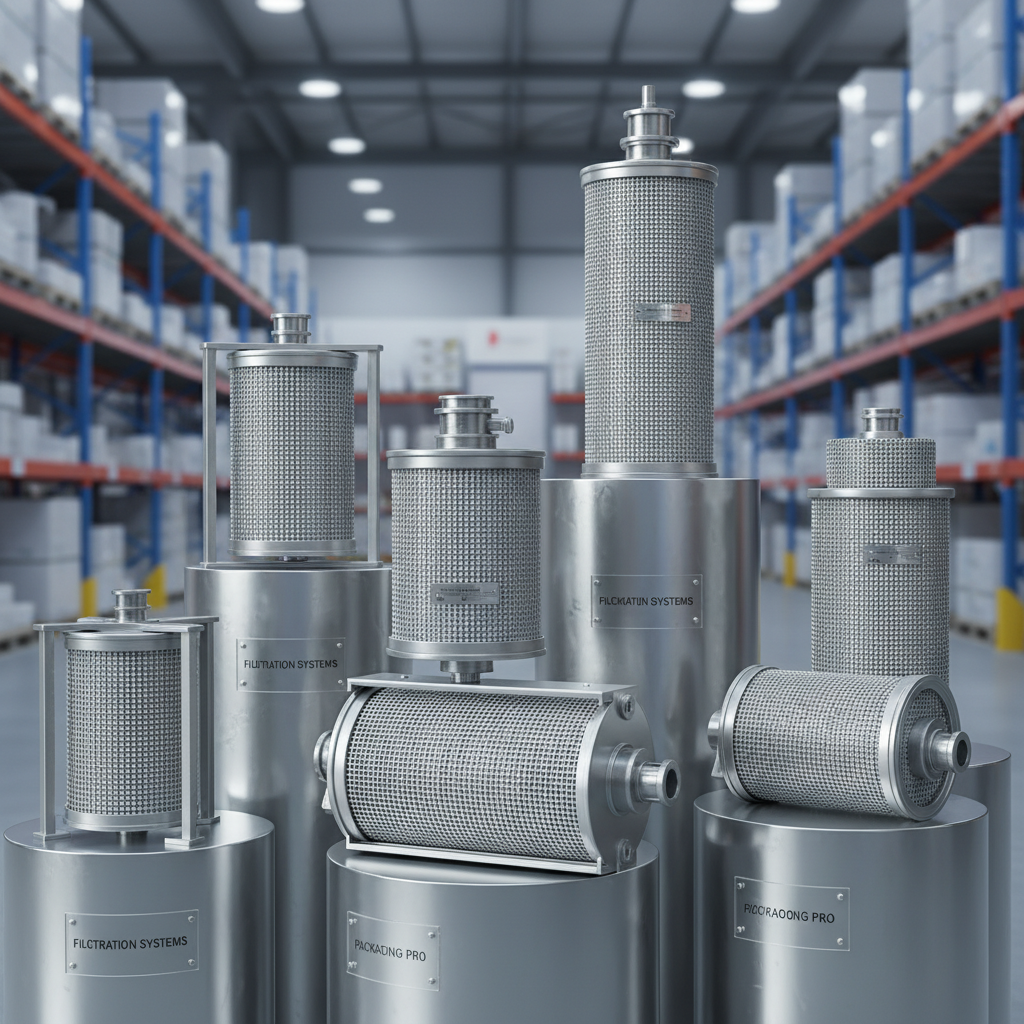
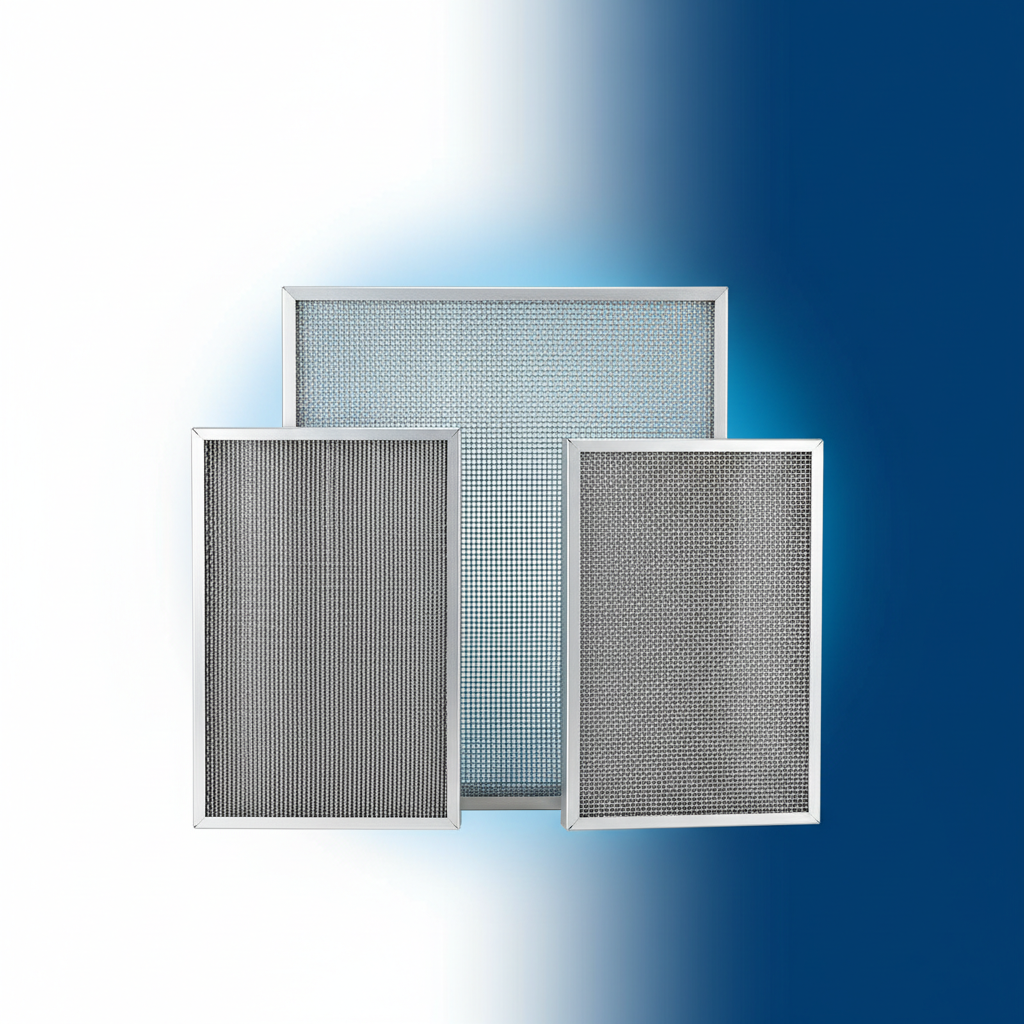
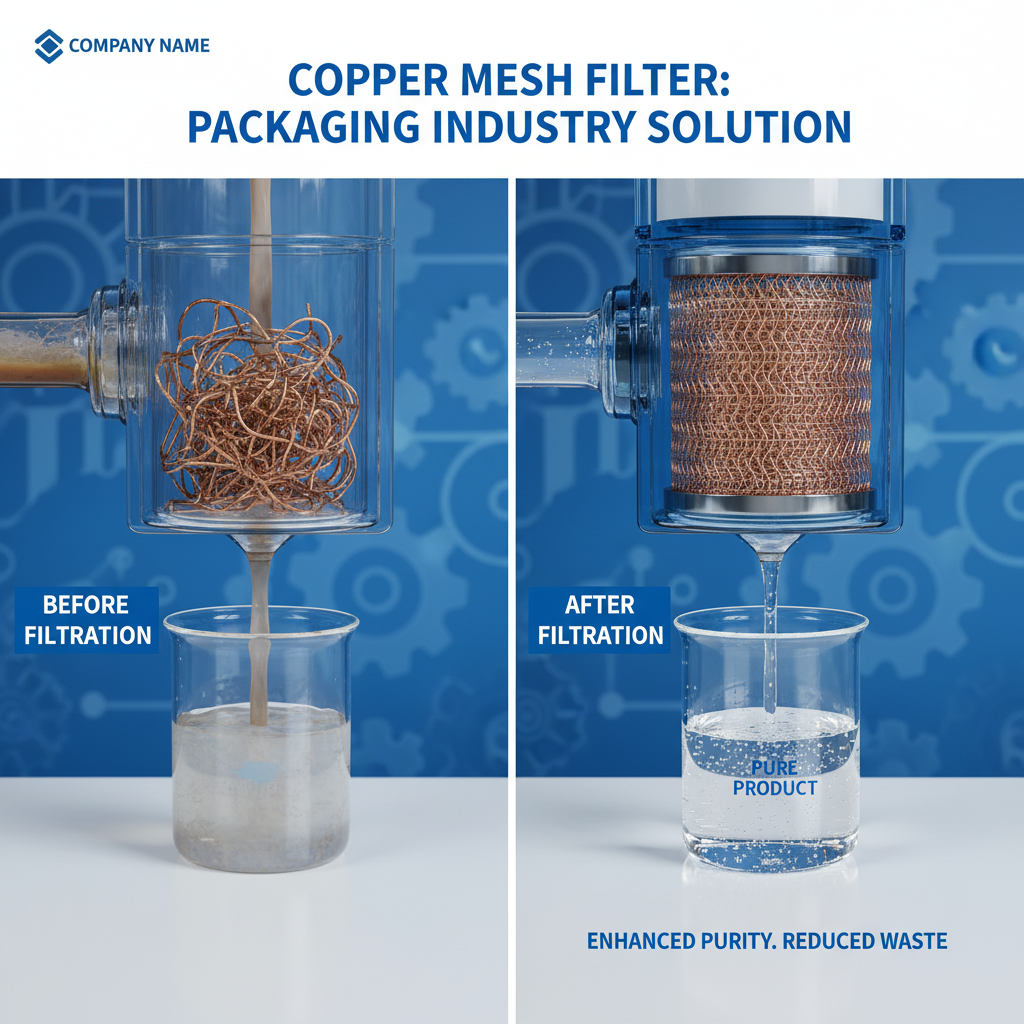
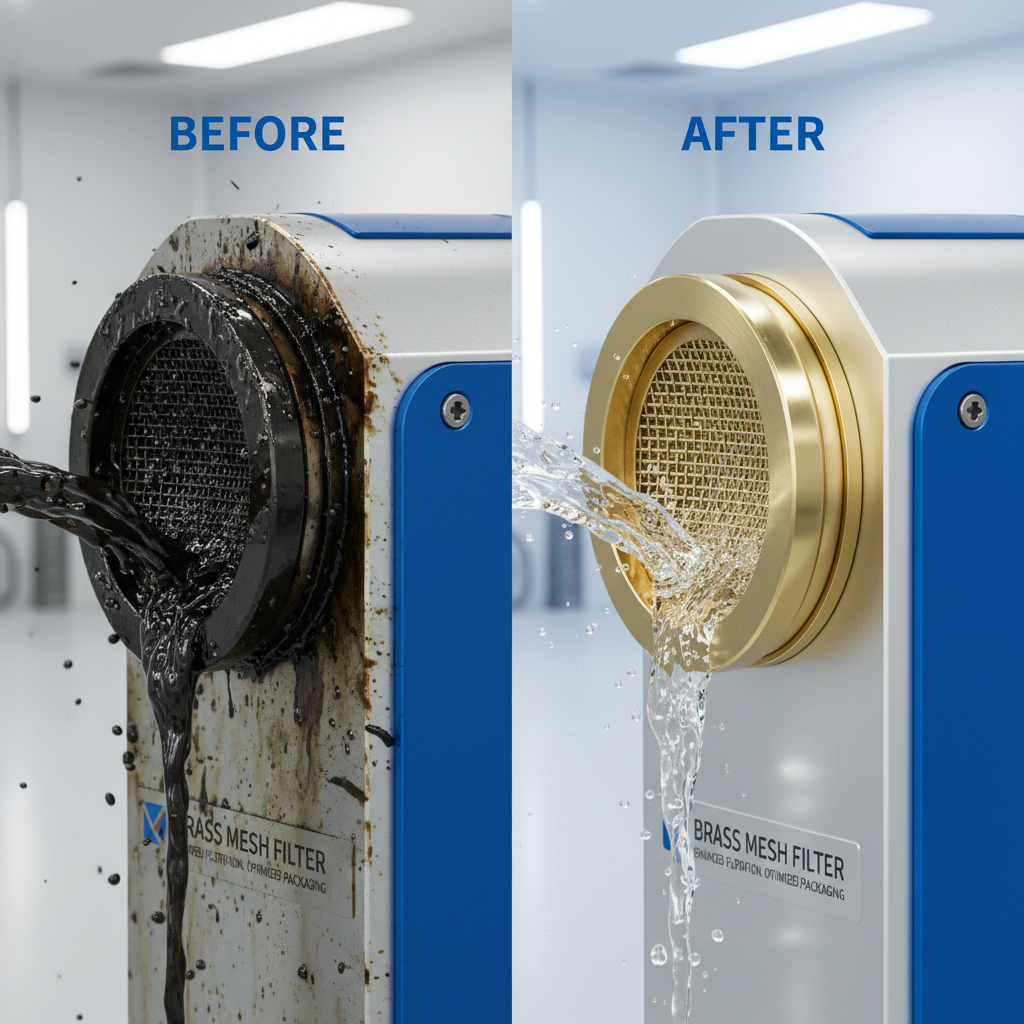
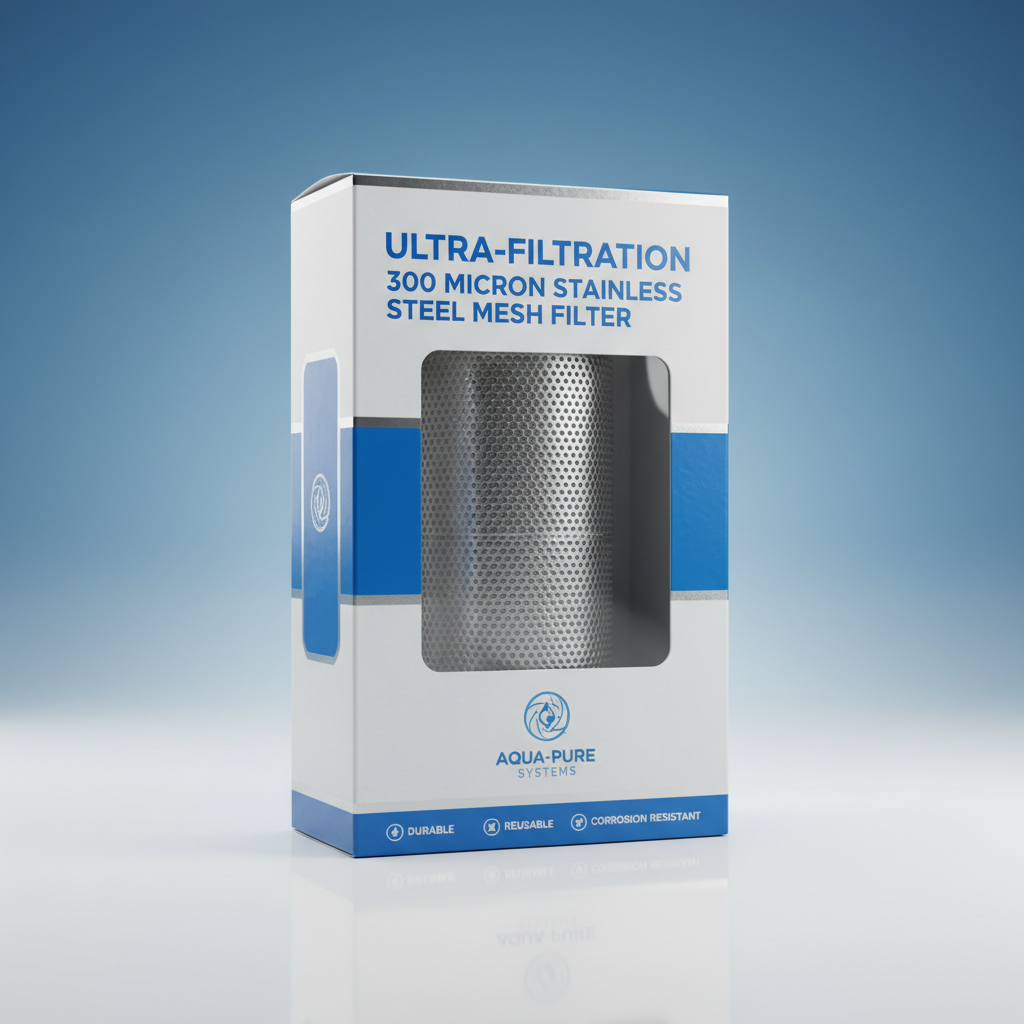
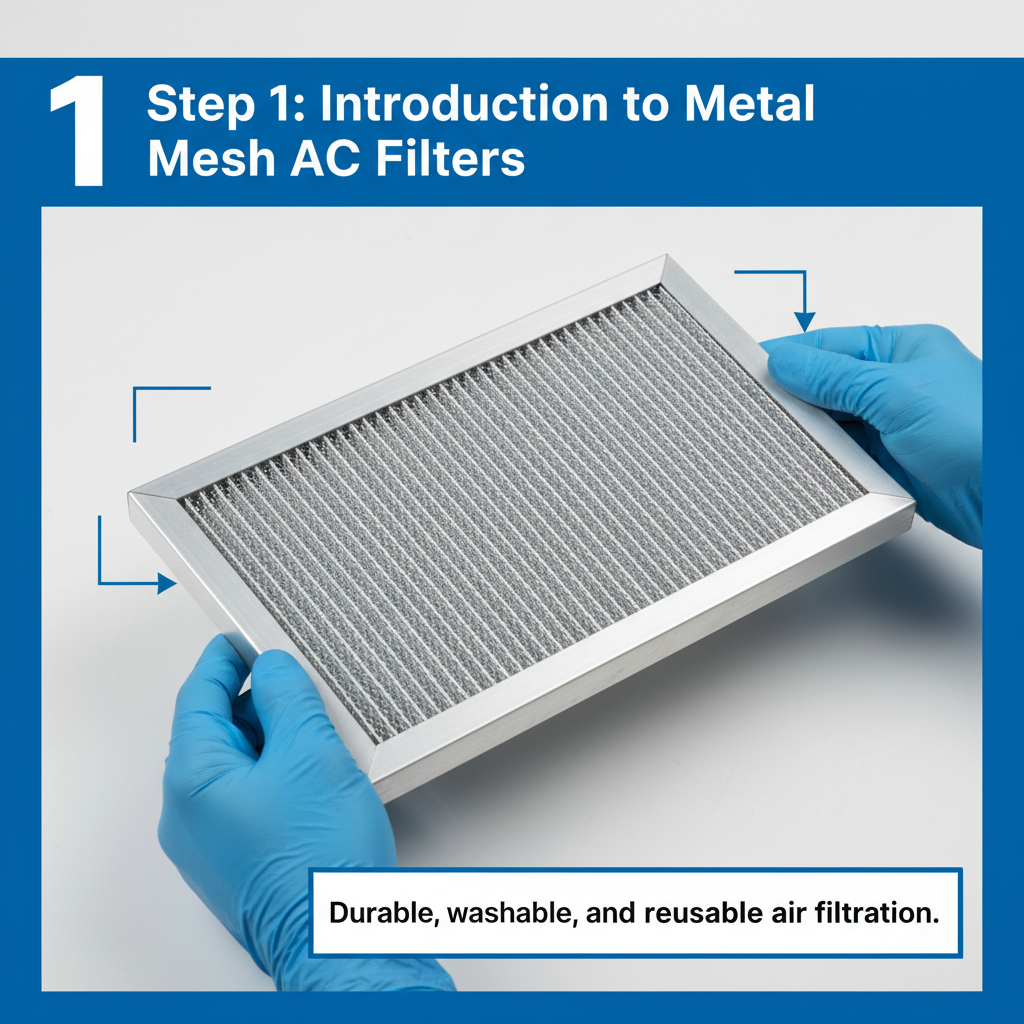
Woven wire mesh filters are constructed by weaving wires together to create a porous material. The mesh size, determined by the wire diameter and the number of openings per inch, dictates the filter’s ability to retain particles. They are available in a variety of materials, including stainless steel, carbon steel, and alloy metals, making them suitable for a diverse range of operating environments and fluids. Anya Filter Media specializes in providing high-quality woven wire mesh filters tailored to specific client needs.
Key Benefits: Robust construction, high permeability, excellent temperature resistance, and customizable pore sizes.
Key Applications of Woven Wire Mesh Filters
Woven wire mesh filters are used across numerous industries for applications such as liquid filtration, gas filtration, and particle separation. Common applications include: chemical processing, pharmaceuticals, food and beverage production, water treatment, and oil and gas refining. Their ability to withstand high pressures and temperatures makes them suitable for demanding industrial environments. These filters are frequently used as pre-filters to protect more sensitive downstream filtration systems.
Application Areas:
• Chemical Processing
• Water & Wastewater Treatment
• Food & Beverage Industry
• Pharmaceutical Manufacturing
Woven Wire Mesh Filter Materials: A Comparison
The selection of the appropriate filter material is crucial for ensuring compatibility with the fluid being filtered and the operating environment. Here’s a comparison of common materials used in woven wire mesh filters:
Factors to Consider When Selecting a Woven Wire Mesh Filter
Choosing the right woven wire mesh filter requires careful consideration of several factors. Key considerations include: particle size retention, fluid compatibility, operating temperature, pressure drop, and filter lifespan. Anya Filter Media provides expert guidance to help you select the optimal filter for your application. Proper filter selection maximizes performance and minimizes maintenance costs.
Benefits of Choosing Anya Filter Media for Your Woven Wire Mesh Needs
Anya Filter Media offers a comprehensive range of woven wire mesh filters manufactured to exacting standards. We provide custom filter solutions tailored to your specific requirements, ensuring optimal performance and reliability. Our commitment to quality, competitive pricing, and exceptional customer service makes us a trusted partner for businesses across diverse industries. We focus on delivering innovative filtration solutions that enhance your operational efficiency.
Conclusion: Optimizing Your Filtration with Woven Wire Mesh
Investing in high-quality woven wire mesh filters from a reputable supplier like Anya Filter Media is crucial for maintaining process efficiency, product quality, and overall operational success. By understanding the various materials, applications, and factors to consider, you can make informed decisions that optimize your filtration systems.
Frequently Asked Questions (FAQs)
What is the typical lifespan of a woven wire mesh filter?
The lifespan of a woven wire mesh filter depends greatly on the application, the nature of the fluid being filtered, and the level of contamination. Generally, regular inspection is key. Filters should be replaced when they exhibit signs of clogging, damage, or reduced flow rate. For less demanding applications, a filter might last several months to a year, while in harsher environments, replacement may be necessary every few weeks. Anya Filter Media can provide recommendations based on your specific operating conditions.
Can woven wire mesh filters be cleaned and reused?
Some woven wire mesh filters can be cleaned and reused, particularly those used for coarse filtration. Cleaning methods depend on the type of contamination. Backwashing, ultrasonic cleaning, or solvent flushing can be effective. However, repeated cleaning can weaken the mesh structure and alter the pore size. It's crucial to assess the filter's condition after each cleaning cycle. For critical applications, it's generally recommended to replace the filter rather than rely on cleaning and reuse.
What is the benefit of using stainless steel mesh?
Stainless steel mesh offers exceptional corrosion resistance, making it ideal for applications involving corrosive fluids or harsh environments. It also boasts high temperature resistance and durability. While generally more expensive than carbon steel, the longer lifespan and reduced maintenance costs of stainless steel mesh often make it a cost-effective choice in the long run. It's also food-grade and suitable for pharmaceutical applications.
Post time: Mar-19-2026