Automotive Filter Manufacturing Machines: A Closer Look
Having spent a good chunk of my career in the industrial equipment sector, particularly around automotive filter manufacturing, I’ve seen firsthand how these machines have evolved. It’s one of those specialized fields that maybe fly under the radar for most, but behind every clean engine and smooth ride, there’s a whole world of precision manufacturing going on. You might not think a filter is that complicated, but in real terms, the machinery that brings it to life actually requires a neat blend of engineering rigor and practical innovation.
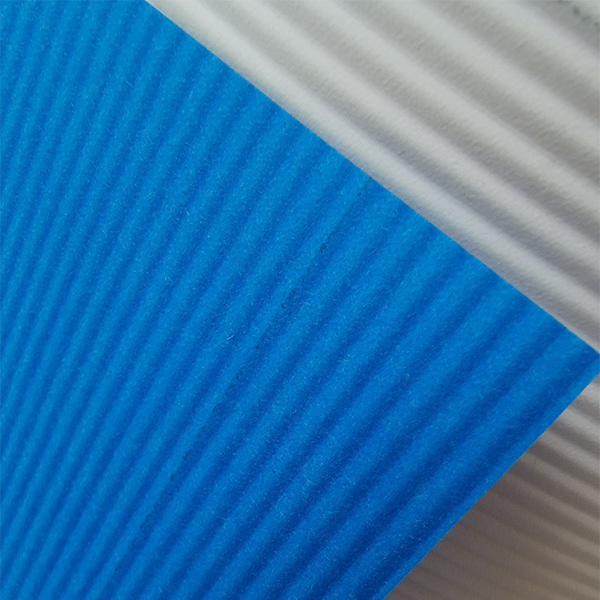
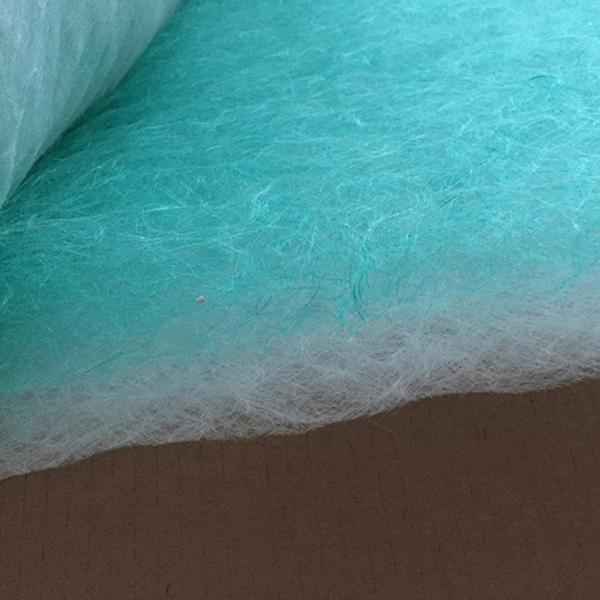
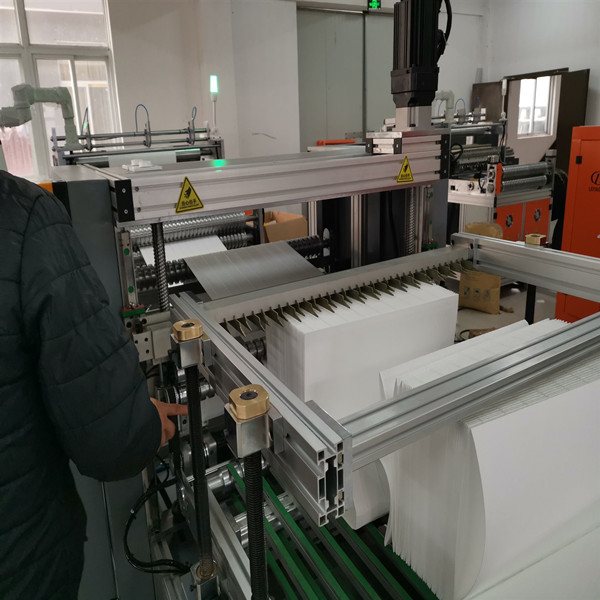
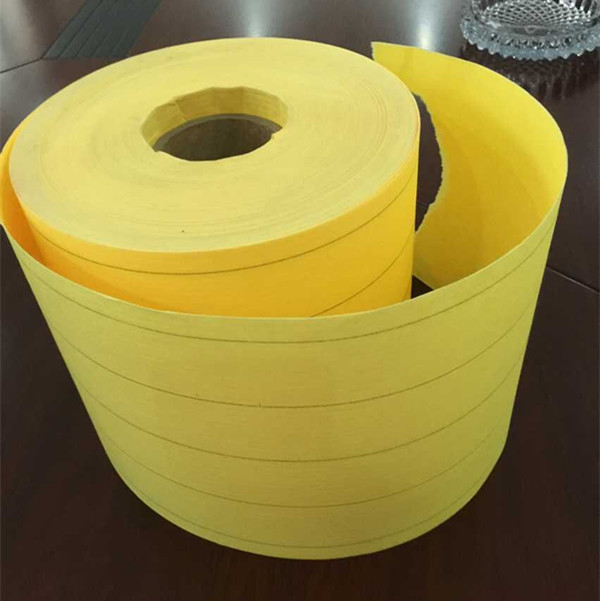
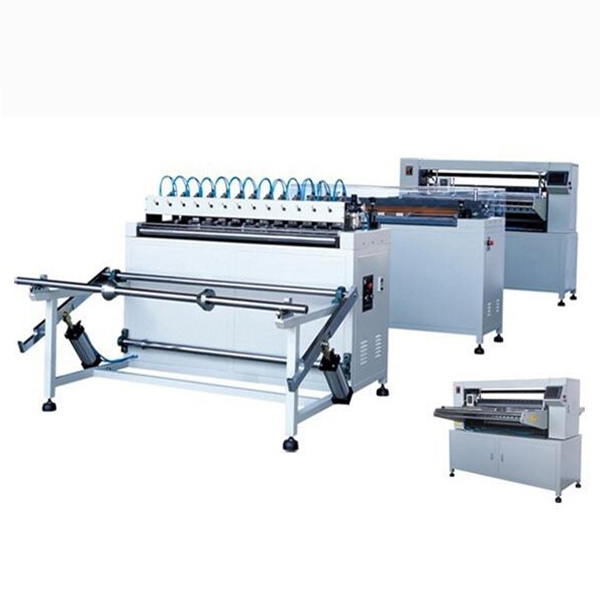
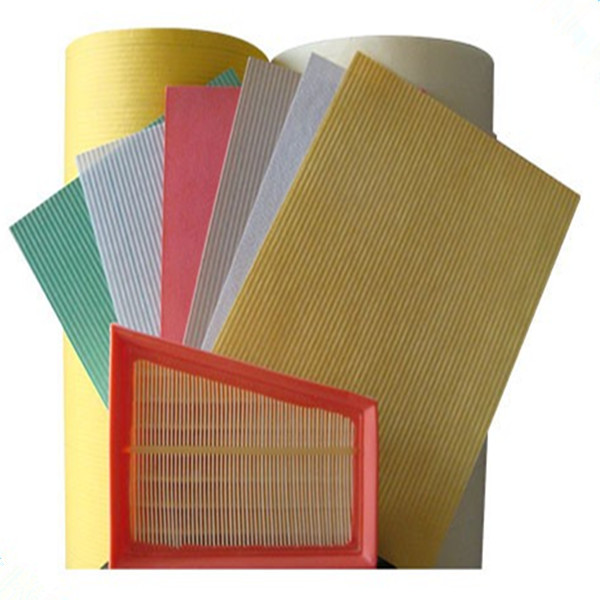
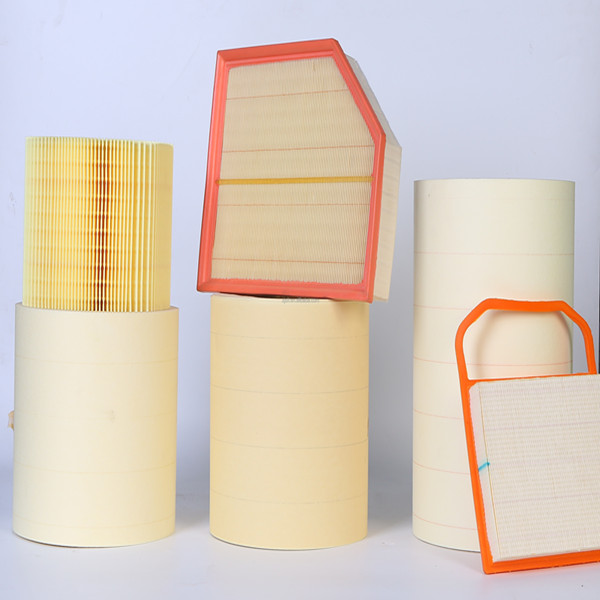
To kick off: these automotive filter manufacturing machines work primarily by assembling and shaping layers of filtering media — typically materials like cellulose, synthetic fiber, or combinations thereof — then bonding or pleating them into the precise form factor required. The idea is to optimize both filtration efficiency and durability, and frankly, that’s not a trivial ask. Over the years, advances in machine design have allowed manufacturers to tailor filtration media thickness, pleat pitch, and even incorporate specialized coatings or treatments while maintaining speed and consistency. It’s an elegant balancing act between speed and quality.
One thing I noticed early on was how preferences in machinery change with filter types. An oil filter or an air filter for a heavy-duty truck might need a very different manufacturing approach compared to those for passenger cars. For example, robustness and heat resistance matter more for oil filters. Some machines come with adjustable configurations for substrates and pleating angles, which is a real boon for customization—something many engineers are eager for as product specs continue to diversify alongside evolving automotive standards.
Testing and quality control are another critical piece of the puzzle. Many filter manufacturing lines are equipped with inline leak detection, pleat shape inspection, and thickness profiling tools — ensuring the finished filter meets strict regulatory and OEM specs. I recall a client who outfitted their line with a high-resolution camera system that caught a tiny defect no human eye could reliably spot; that tweak alone reduced their returns by nearly 15% within months.
| Feature | Description | Typical Range |
|---|---|---|
| Filter Media Width | Maximum width the machine can process | 300 to 1200 mm |
| Pleat Pitch | Distance between pleats to optimize filtration | 3 to 12 mm adjustable |
| Production Speed | Output filters per minute | 30 to 100 units/min |
| Automation Level | Manual to fully automated lines | Semi-auto to Full-auto |
| Quality Control Features | Inline inspection, defect detection | Optional with most machines |
It might sound like a lot of detail for a machine that most folks just think of as “the thing that makes filters.” But if you ever get to peek inside a manufacturing floor, you quickly realize how the nuances matter. Oddly enough, material sourcing for these machines also plays a subtle role. For example, machines optimized for composite media might need different feeding and handling systems compared to those working primarily with paper-based media. And in today’s world, sustainability is creeping into that conversation — whether it’s machines designed to minimize waste media or those that allow quicker changeovers to eco-friendly filter materials.
Vendor Comparison: Top Automotive Filter Manufacturing Machines
| Vendor | Automation | Speed (units/min) | Customization | Price Range |
|---|---|---|---|---|
| Anyafilter Media | Full Automation with inline QC | 50-100 | High (media type, size, pleating) | $$$ |
| FiltraTech Solutions | Semi-Automated | 30-60 | Medium (basic pleating) | $$ |
| Purify Machines Inc. | Full Automation | 40-90 | High (custom QC, media) | $$$$ |
In my view, choosing the right automotive filter manufacturing machine always boils down to your specific production goals and budget constraints. I’ve known shops that swore by smaller, semi-automatic lines because they were easier to adjust on the fly and less capital intensive — perfect for smaller batch runs or experimental filters. On the flip side, large-scale manufacturers practically live and breathe the fully automated lines with realtime QC integrated, cutting down waste and upping throughput. What’s clear is that flexibility, accuracy, and repeatability remain the holy grail for anyone in this space.
One memorable story was a mid-sized manufacturer who upgraded to a fully automated line from Anyafilter Media. Within the first six months, not only did their output nearly double, but their scrap rates plunged by a third. The operators told me it was like shifting from a decades-old typewriter to a modern laptop — faster, cleaner, and smarter.
Ultimately, automotive filters aren’t glamorous, but they are vital — and the machines that make them deserve attention. Behind the scenes, it feels like a blend of industrial art and exact science, and I suppose that’s what keeps folks like me coming back for more.
Feel free to check out the automotive filter manufacturing machines they offer — you might find exactly what your production line needs.
References:
- Industry reports on filter manufacturing trends, 2023
- Anyafilter Media official specifications and machine data sheets
- Customer case studies and field interviews, 2022–2023
Post time: Jan-07-2026