Understanding Metal Mesh AC Filters
Air quality is paramount, especially in commercial and industrial settings. Often overlooked, the air filters in your HVAC system play a critical role in maintaining a healthy and efficient environment. Metal mesh AC filters offer a robust and reliable solution for air filtration. This article will explore the benefits, applications, and considerations when choosing metal mesh filters for your needs. We’ll delve into why they’re a favored choice for specific industries and how they compare to other filter types.
What are Metal Mesh AC Filters?
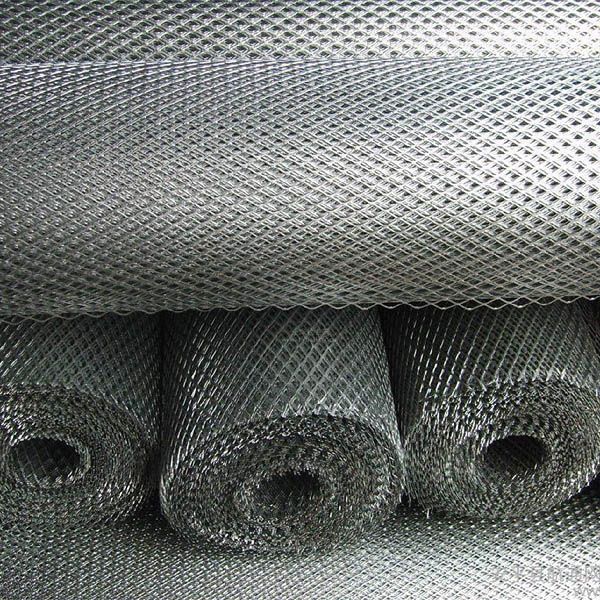
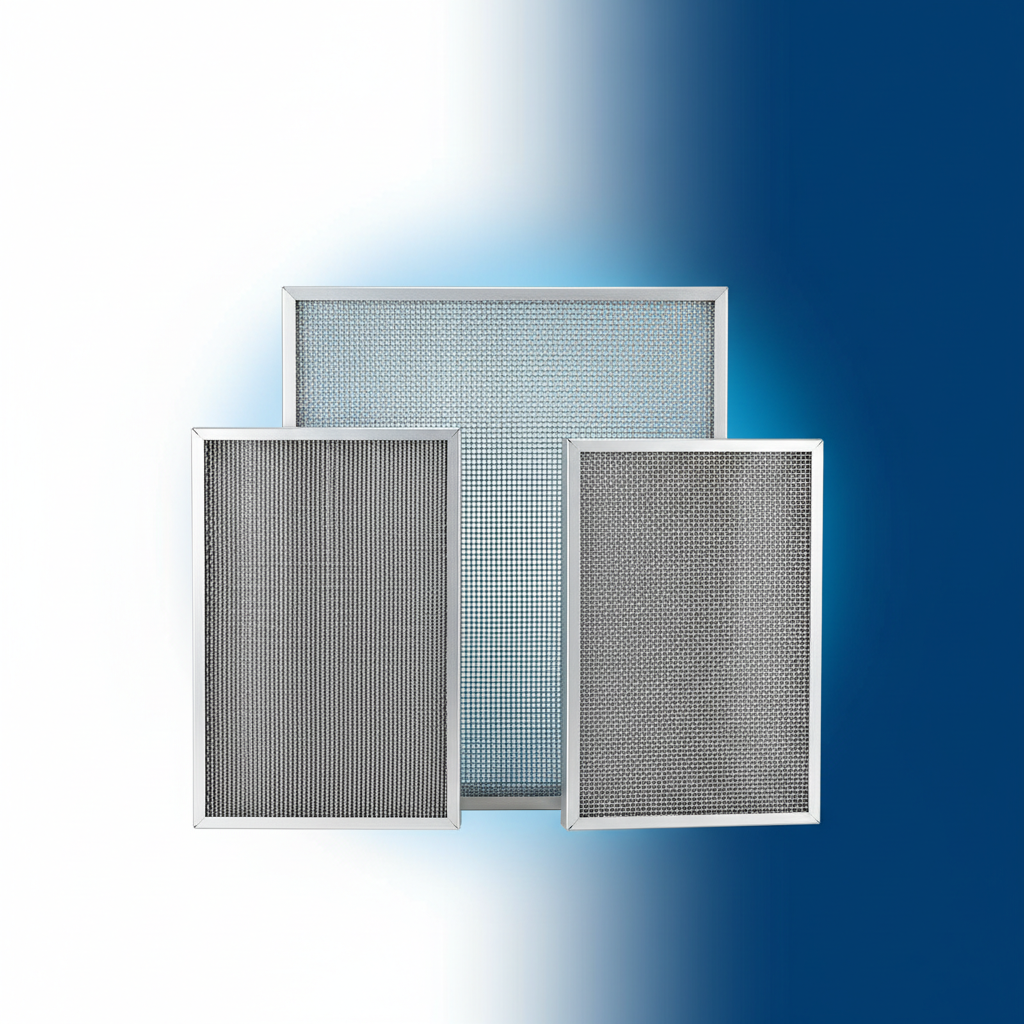
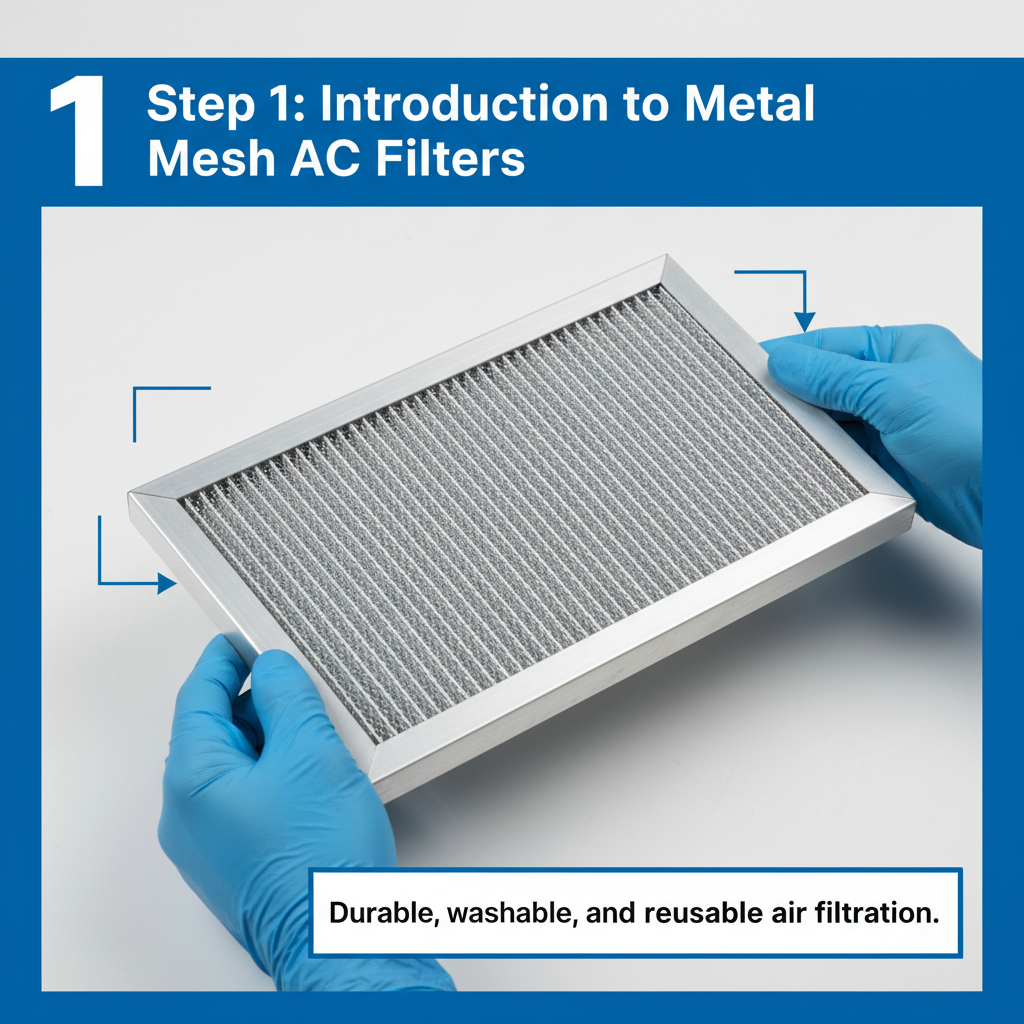
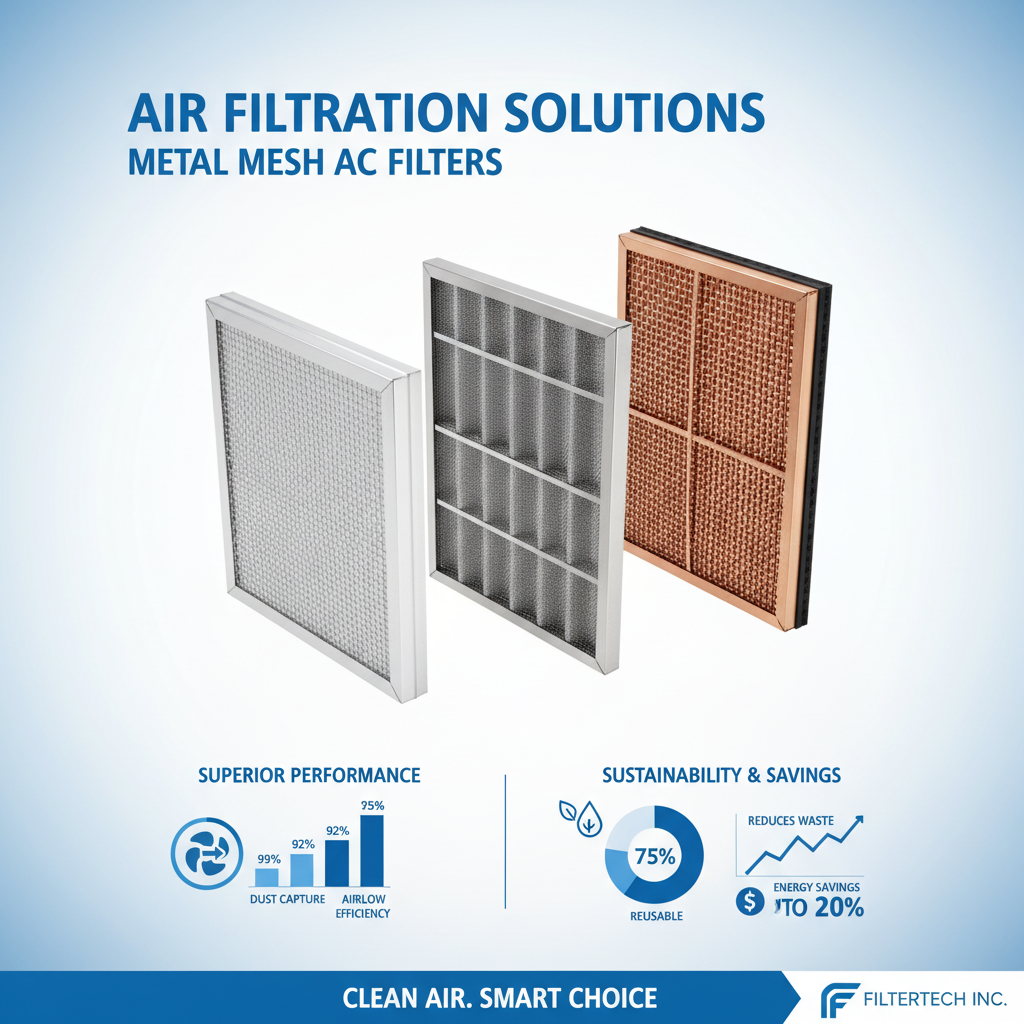
Metal mesh AC filters, as the name suggests, are constructed from woven metal wire. They're often made from aluminum, stainless steel, or galvanized steel. Unlike disposable filters made from fiberglass or pleated paper, metal mesh filters are designed to be washable and reusable. This makes them a more sustainable and cost-effective option over the long term. These filters excel at capturing larger particles like dust, lint, and pollen, offering a preliminary level of filtration for your HVAC system. They are commonly used as pre-filters to extend the life of more expensive, high-efficiency filters.
Key Highlights: Washable and reusable, providing long-term cost savings. Effective at capturing large airborne particles. Constructed from durable metal materials.
Benefits of Using Metal Mesh AC Filters
The advantages of switching to metal mesh AC filters are numerous. Their reusability significantly reduces waste and ongoing filter replacement costs. The durability of metal construction ensures a longer lifespan compared to disposable alternatives. Metal mesh filters are also effective at protecting the sensitive components of your HVAC system from larger debris, minimizing the risk of damage and costly repairs. Moreover, they contribute to improved indoor air quality by reducing the circulation of dust and allergens. Anyafiltermedia.com offers a variety of metal mesh filter options to suit your specific needs.
Key Benefits:
• Reusable and Washable: Reduces waste and lowers long-term costs.
• Durable Construction: Longer lifespan compared to disposable filters.
• HVAC System Protection: Prevents damage from large debris.
• Improved Air Quality: Reduces dust and allergen circulation.
Metal Mesh AC Filters vs. Disposable Filters: A Comparison
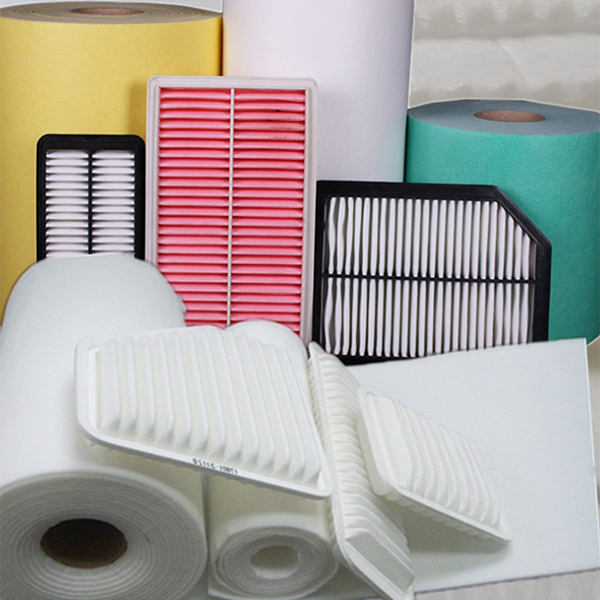
Understanding the differences between metal mesh and disposable filters is crucial for making the right choice. Disposable filters, typically made from fiberglass or pleated paper, are inexpensive upfront but require frequent replacement. Metal mesh filters have a higher initial cost, but their reusability results in significant long-term savings. Disposable filters often have a lower airflow rate, potentially increasing energy consumption. Metal mesh filters, with their open structure, generally allow for better airflow. The following table summarizes the key differences:
Applications of Metal Mesh AC Filters
Metal mesh filters are particularly well-suited for environments with high dust levels or larger particulate matter. Common applications include: commercial kitchens (grease filters), manufacturing facilities, workshops, data centers, and pre-filtration in multi-stage filtration systems. Their robust construction and washability make them ideal for demanding environments where frequent filter changes are impractical or costly. They also find use in residential HVAC systems as a durable pre-filter to protect more expensive HEPA or carbon filters.
Choosing the Right Metal Mesh AC Filter
Selecting the appropriate metal mesh filter depends on your specific needs. Consider the size and type of particles you need to capture, the airflow requirements of your HVAC system, and the environmental conditions. Mesh density is a critical factor – a finer mesh will capture smaller particles, but may also restrict airflow. Materials such as aluminum are lightweight and corrosion-resistant, while stainless steel offers superior durability and is suitable for harsher environments. Anyafiltermedia.com provides detailed product specifications to help you make the best choice.
Conclusion: A Sustainable and Effective Filtration Solution
Metal mesh AC filters offer a compelling combination of durability, reusability, and effectiveness. They are a smart investment for businesses and homeowners seeking to improve indoor air quality while reducing environmental impact. By choosing the right metal mesh filter and maintaining a regular cleaning schedule, you can ensure optimal HVAC performance and a healthier environment. Explore the range of options available at Anyafiltermedia.com to find the perfect solution for your needs.
Frequently Asked Questions (FAQs)
How often should I clean my metal mesh AC filter?
The cleaning frequency depends on the air quality in your environment. Generally, it’s recommended to inspect the filter monthly and clean it when visibly dirty. In dusty environments or commercial kitchens, cleaning may be required every 2-4 weeks. To clean, simply remove the filter and wash it with mild soap and water. Ensure it’s completely dry before reinstalling it. Regular cleaning maintains airflow and prevents the buildup of contaminants.
Can I use any cleaning solution on my metal mesh filter?
It's best to avoid harsh chemicals or abrasive cleaners, as these can damage the filter material. Mild soap and warm water are typically sufficient. Avoid using solvents, bleach, or strong detergents. Ensure all soap residue is thoroughly rinsed away before drying the filter. Proper cleaning ensures the longevity and effectiveness of your metal mesh filter.
What materials are metal mesh AC filters typically made from?
Metal mesh AC filters are commonly made from aluminum, stainless steel, or galvanized steel. Aluminum is a popular choice due to its lightweight nature and corrosion resistance. Stainless steel offers superior durability and is ideal for harsh environments. Galvanized steel provides a cost-effective option with decent corrosion resistance. The best material for your needs depends on the specific application and environmental conditions.
Are metal mesh filters suitable for people with allergies?
Metal mesh filters capture larger particles like dust, pollen, and lint, which can trigger allergies. While they don’t filter out microscopic allergens like mold spores or bacteria as effectively as HEPA filters, they can significantly reduce allergen levels in the air. Using a metal mesh filter as a pre-filter in conjunction with a HEPA filter can provide comprehensive allergy relief.
Post time: Mar-24-2026