Understanding Wire Mesh Sand Filters: A Comprehensive Guide
Wire mesh sand filters are essential components in water treatment systems, used to effectively remove suspended solids and impurities. They find applications across numerous industries, including municipal water treatment, wastewater management, irrigation, and industrial processing. This article provides a detailed exploration of wire mesh sand filters, covering their operating principles, benefits, applications, maintenance, and how Anya Filter Media can provide high-quality filter solutions to meet your specific needs. Selecting the appropriate filter is crucial for ensuring water quality and operational efficiency.
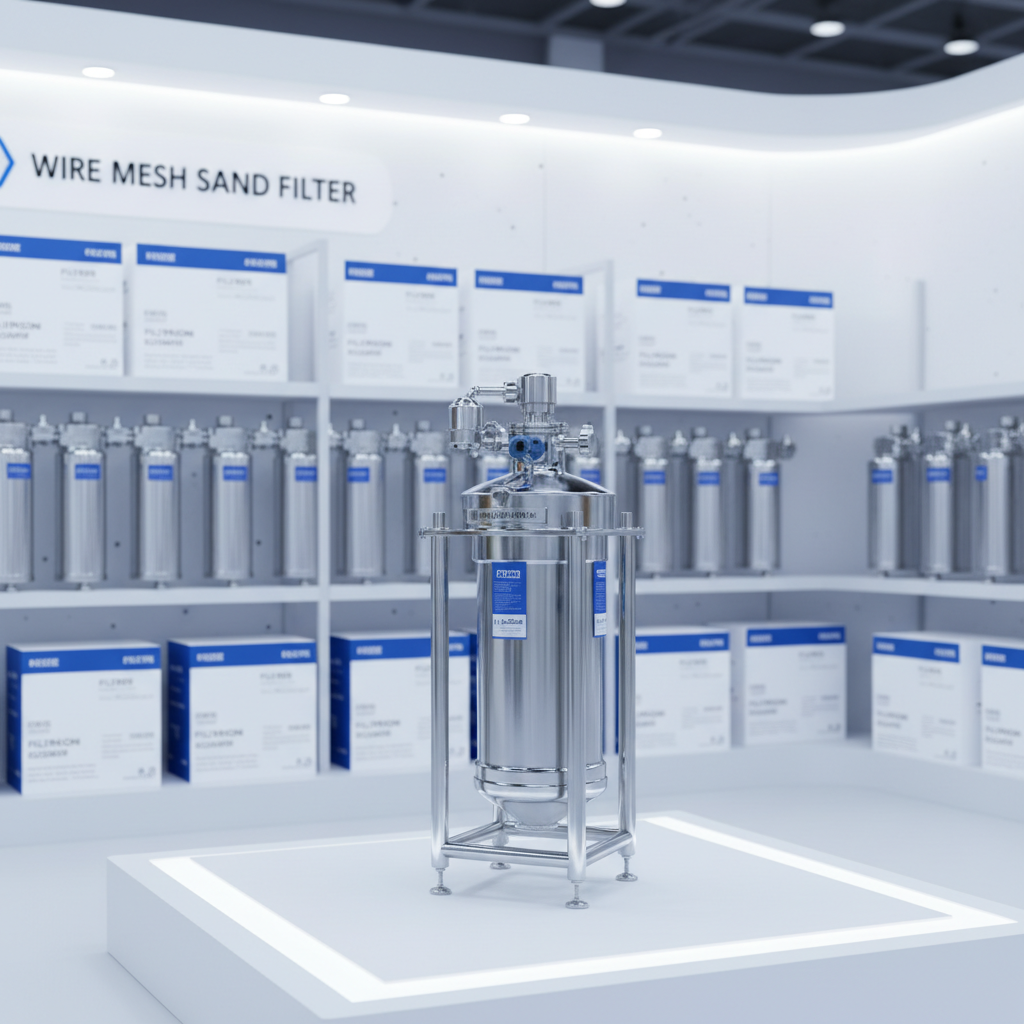
How Do Wire Mesh Sand Filters Work?
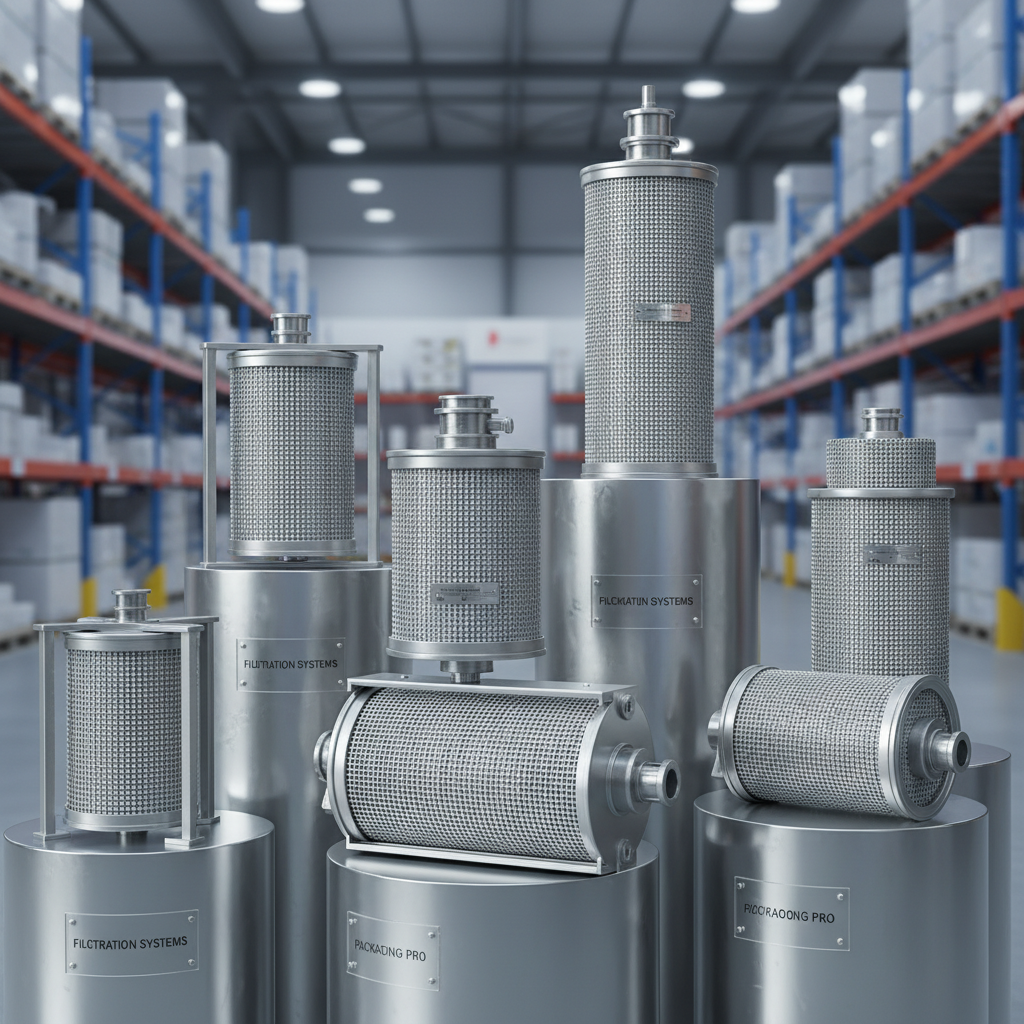
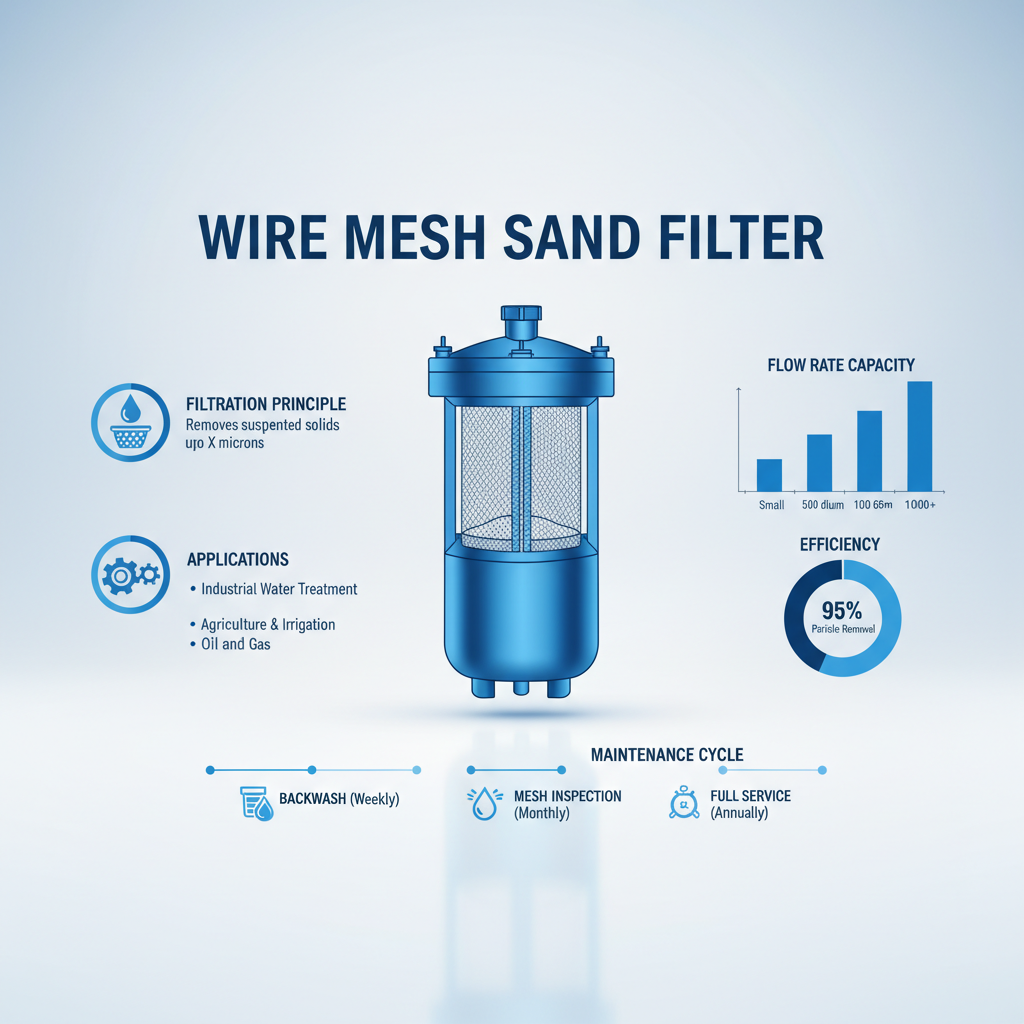
Wire mesh sand filters operate on the principle of physical straining and adsorption. Water is passed through a bed of sand supported by a wire mesh structure. The sand traps suspended solids, sediments, and other particulate matter, while the wire mesh prevents sand from escaping into the filtered water. This process relies on both the size of the sand grains and the weave of the wire mesh. The water flows downwards through the sand bed, and a network of underdrains collects the purified water. Regularly backwashing the filter bed is essential to remove accumulated solids and maintain optimal filtration efficiency. Anya Filter Media offers filters designed for efficient backwashing cycles.
Key Highlights: Operate on physical straining and adsorption, using sand and a wire mesh to trap solids and prevent sand loss. Regular backwashing is crucial for maintaining efficiency.
Applications of Wire Mesh Sand Filters
The versatility of wire mesh sand filters makes them suitable for a wide range of applications. In municipal water treatment, they serve as a pre-treatment step to remove turbidity and protect downstream equipment. Wastewater treatment plants utilize them for primary solids removal. Agricultural irrigation benefits from their ability to filter out sediments that could clog irrigation systems. Industrial processes, such as cooling water systems and chemical processing, employ these filters to maintain product purity and protect equipment. These filters are also frequently used in swimming pool filtration and aquaculture. Anya Filter Media caters to many of these industries with custom-designed filtration systems.
Key Application Areas:
• Municipal Water Treatment
• Wastewater Management
• Irrigation Systems
• Industrial Processing
Wire Mesh Sand Filter vs. Other Filtration Methods
Compared to other filtration techniques, wire mesh sand filters offer a balance of efficiency, cost-effectiveness, and simplicity. While cartridge filters provide finer filtration, they require frequent replacement. Media filters, like anthracite or granular activated carbon filters, can be more effective for specific contaminants but are often more expensive and complex to operate. Wire mesh sand filters represent a robust and reliable solution for removing a broad spectrum of suspended solids. They are particularly well-suited for high-flow applications where cost-effective pre-filtration is needed. Anya Filter Media can help you determine the optimal filtration method for your needs.
Maintenance and Troubleshooting
Regular maintenance is crucial for ensuring the optimal performance and longevity of your wire mesh sand filter. Backwashing should be performed according to the manufacturer’s recommendations, typically based on pressure drop or flow rate. Inspecting the wire mesh for damage or clogging is also essential. If the filter consistently exhibits high pressure drop even after backwashing, it may indicate a buildup of fine particles or a tear in the wire mesh. In such cases, cleaning or replacing the filter media is necessary. Anya Filter Media provides comprehensive maintenance services and replacement parts.
Choosing the Right Wire Mesh Sand Filter with Anya Filter Media
Selecting the appropriate wire mesh sand filter requires careful consideration of factors such as flow rate, particle size distribution, water quality, and application requirements. Anya Filter Media specializes in providing customized filtration solutions. Our team of experts can assess your specific needs and recommend the optimal filter size, mesh type, and sand grade for your application. We also offer a range of ancillary equipment, including backwash systems and monitoring devices, to ensure seamless integration and reliable performance. Contact us today to discuss your filtration challenges.
Conclusion: Invest in Reliable Filtration with Anya Filter Media
Wire mesh sand filters are a cornerstone of efficient water treatment. Anya Filter Media is your trusted partner for high-quality filters, expert guidance, and comprehensive support. Choosing the right filtration system ensures water quality, protects your equipment, and contributes to sustainable operations. Don't compromise on filtration – choose Anya Filter Media.
Frequently Asked Questions (FAQs)
What is the typical lifespan of a wire mesh sand filter?
The lifespan of a wire mesh sand filter depends on several factors, including the quality of the incoming water, the frequency of backwashing, and the material of construction. Generally, with proper maintenance, these filters can last 10-20 years. However, the wire mesh itself may require replacement more frequently, typically every 5-10 years, due to clogging or corrosion. Regular inspections and timely replacement of components are crucial for maximizing the filter's lifespan and ensuring optimal performance. Anya Filter Media provides durable filters and replacement parts to ensure long-term reliability.
How often should I backwash my wire mesh sand filter?
The frequency of backwashing depends on the turbidity of the incoming water and the filter's flow rate. A general guideline is to backwash when the pressure drop across the filter reaches 10-15 psi. This indicates that the filter bed is becoming clogged with accumulated solids. Backwashing typically involves reversing the flow of water through the filter to dislodge and remove the trapped particles. Always follow the manufacturer's recommendations for backwashing procedures and duration.
What size of sand is typically used in wire mesh sand filters?
The size of sand used in wire mesh sand filters typically ranges from 0.45 to 1.2 millimeters (approximately 20 to 48 mesh). The specific size is chosen based on the desired filtration rate and the characteristics of the water being treated. Finer sand provides more effective filtration but can also lead to higher pressure drop and increased backwashing frequency. Anya Filter Media offers sand options tailored to your specific needs.
Can wire mesh sand filters remove bacteria and viruses?
While wire mesh sand filters effectively remove suspended solids and turbidity, they are not designed to remove bacteria or viruses. These microorganisms are much smaller than the pore size of the sand and wire mesh. For disinfection and removal of pathogens, additional treatment processes such as chlorination, UV irradiation, or membrane filtration are required.
Post time: Mar-14-2026