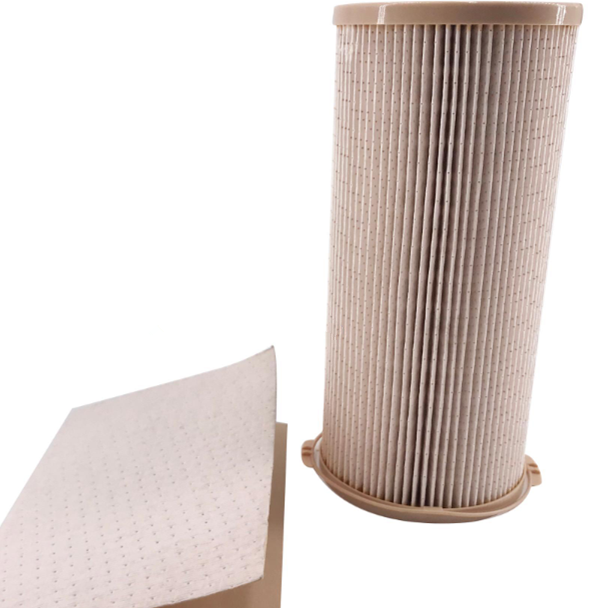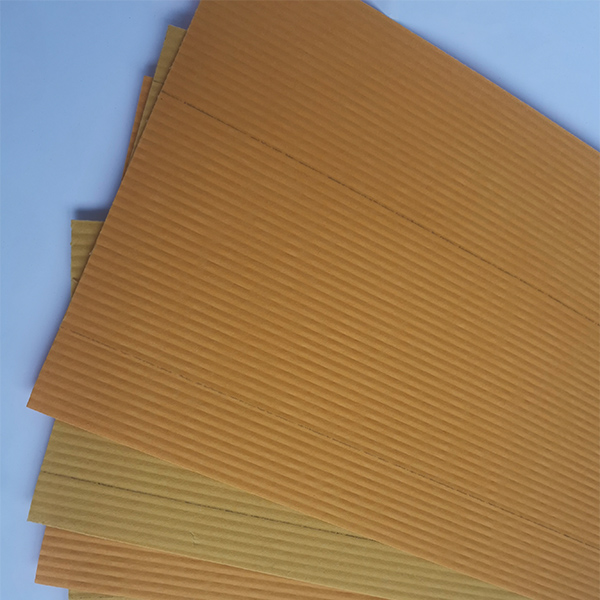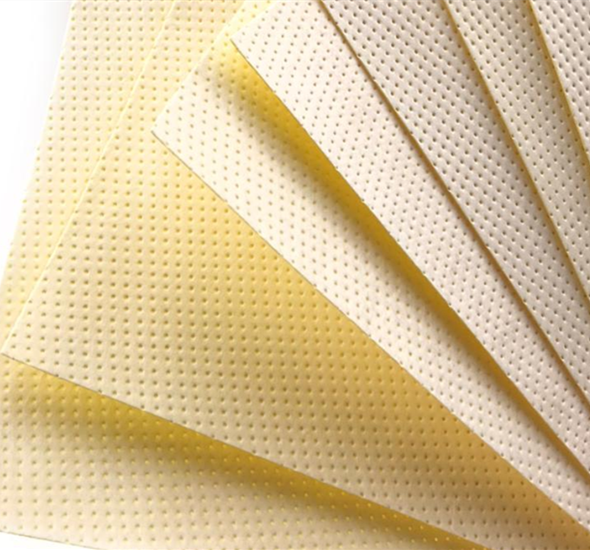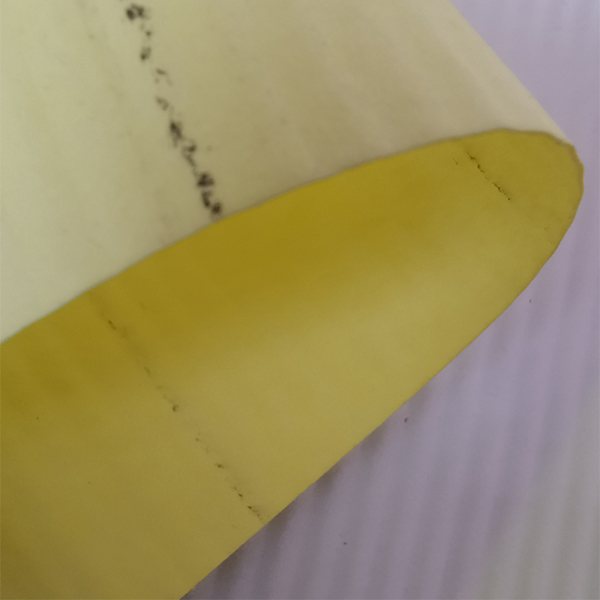
Oli Sefe Pampiri
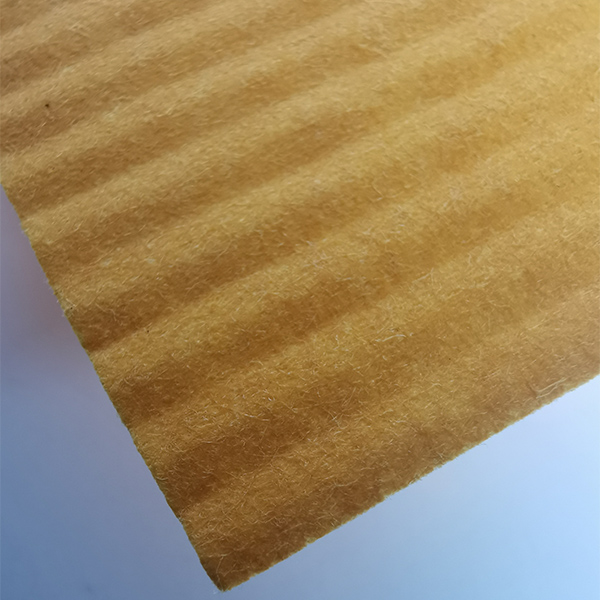
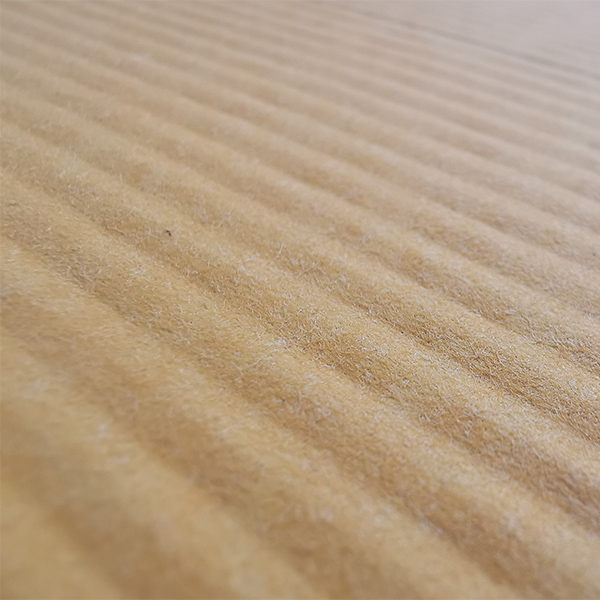
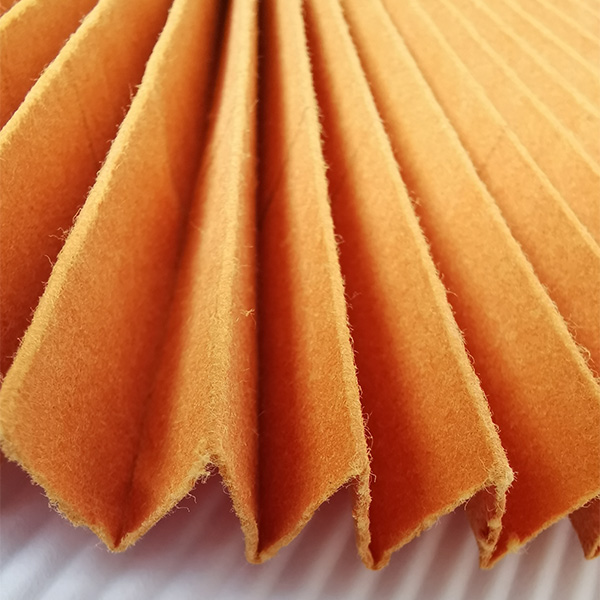
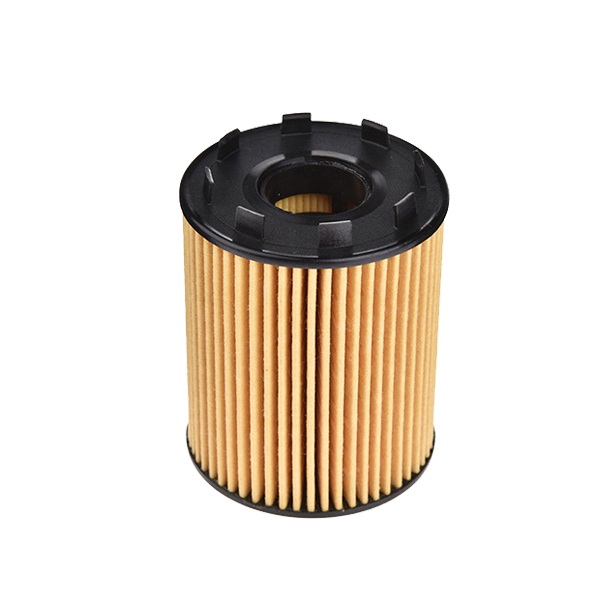
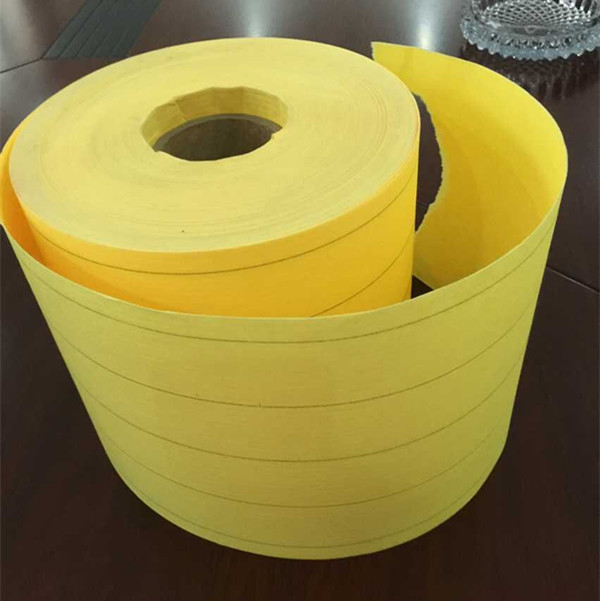
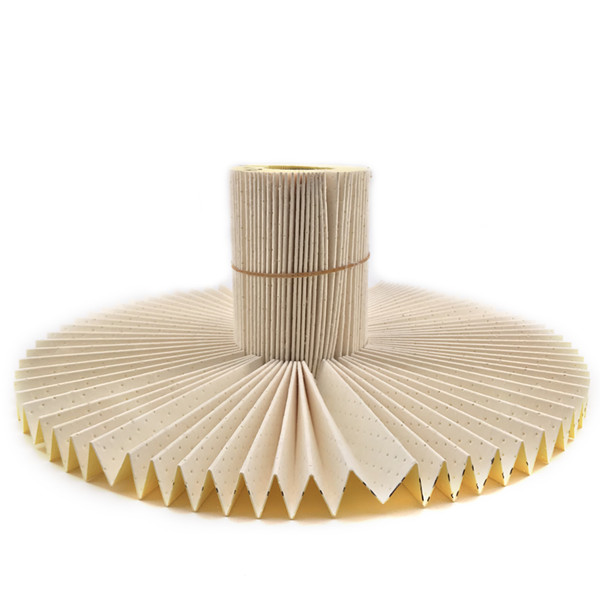
Sefate sena sa media se entsoe ka makhasi a boleng bo holimo a lehong joalo ka thepa e tala.
Sebopeho sa Sehlahisoa:
Moea o motle oa ho phunyeletsa
Bonepa bo phahameng ba ho sefa le bokhabane
Bokhoni bo phahameng ba ho tšoara lerole
Boima bo phahameng le ho phatloha ho hanyetsa
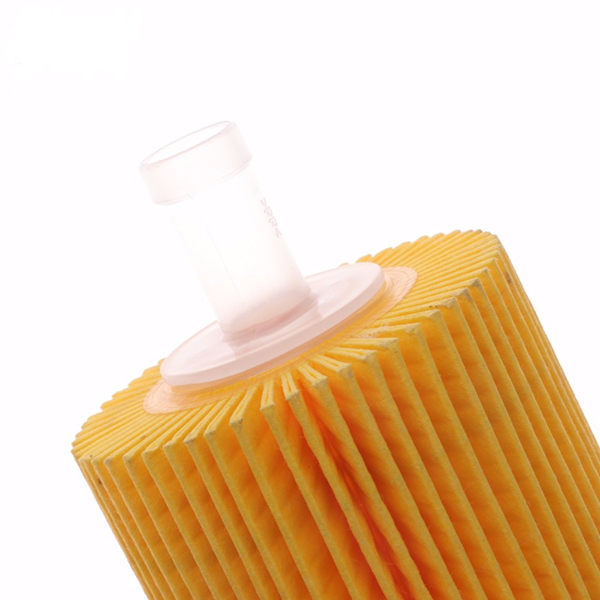
Kopo: Sefahla sa oli sa likoloi tse fapaneng, lisebelisoa tsa mochini.
Tlhaloso ea Sehlahisoa:
Cellulose ea lintho tse bonahalang
Resin Acrylic
Boima ba Motheo 110-280g/m2
Air Permeability 110-750L/m2s
Maikutlo: Litlhaloso tse ling le tsona li fumaneha ho latela tlhoko ea moreki kapa sampole.
What is oil filter paper made of?
Oil filter paper is typically composed of a blend of cellulose fibers, synthetic fibers, or a combination of both, designed to withstand the harsh conditions of oil filtration. Cellulose-based filter paper is cost-effective and provides good filtration for general applications, while synthetic fibers (such as polyester or glass fiber) enhance durability, chemical resistance, and performance in high-temperature or high-pressure environments. Some advanced oil filter papers are treated with resins or phenolic coatings to improve wet strength and resistance to oil breakdown. The paper’s structure is engineered with controlled porosity to trap contaminants while allowing oil to flow efficiently. The choice of material depends on the application, with heavy-duty systems often requiring synthetic media for extended service life and better filtration efficiency.
Applications of oil filter paper in automotive, hydraulic, and machinery systems
In automotive systems, oil filter paper is used in engine oil filters to remove dirt, metal particles, and sludge, ensuring smooth engine operation and longevity. Hydraulic systems rely on oil filter paper to maintain clean hydraulic fluid, preventing wear in pumps, valves, and actuators. In industrial machinery, oil filters protect gears, bearings, and lubrication systems from abrasive contaminants, reducing maintenance costs and downtime. Some specialized applications include turbine oil filtration, compressor systems, and transmission fluid filtration.
Filtration efficiency and dirt holding capacity of oil filter paper
The filtration efficiency of oil filter paper refers to its ability to capture particles of specific sizes, typically measured in microns. High-efficiency filter media can remove very fine contaminants, extending equipment life. The dirt holding capacity indicates how much debris the paper can retain before clogging, affecting service intervals. A well-designed oil filter paper balances both properties—too dense a media may trap more particles but restrict oil flow, while a looser structure may allow contaminants to pass. Synthetic fiber-based filters often offer higher dirt holding capacity and better efficiency than cellulose-only media, making them suitable for demanding applications. Manufacturers optimize porosity, fiber composition, and pleating patterns to maximize performance without compromising flow rates.
engine oil filter paper
oil filter paper
oil filter sheet