Diesel Filter Paper: What It Is and Why It Matters Globally
You might not think about diesel filter paper often, but it’s quietly essential to how industries and communities worldwide keep engines running cleanly and efficiently. At its core, diesel filter paper is the unsung hero that scrubs impurities from diesel fuel, preventing costly damage and harmful emissions. This matters not just for trucks or generators but for the global environment and human health — especially in regions relying heavily on diesel-powered equipment.
Understanding diesel filter paper unlocks better maintenance, cost savings, and helps combat air pollution, a key challenge recognized by the United Nations Environment Programme (UNEP). It’s a small piece of material with outsized impact, ensuring safer, cleaner diesel use from bustling cities to remote industrial zones.
Global Context: The Diesel Dilemma and Filter Paper’s Role
Diesel fuel powers nearly 40% of the world’s freight transportation and millions of agricultural and emergency backup generators — according to data from the World Bank. But diesel without clean filtration clogs engines and pumps, raising maintenance costs and increasing pollutants like particulate matter.
Diesel filter paper addresses these problems by filtering out dirt, rust, and water particles that infiltrate fuel supplies. Without it, engines suffer, and harmful emissions escalate. Oddly enough, something as simple as better filter media can contribute notably to meeting global emissions standards like the ISO 8217 for marine fuels.
What Is Diesel Filter Paper?
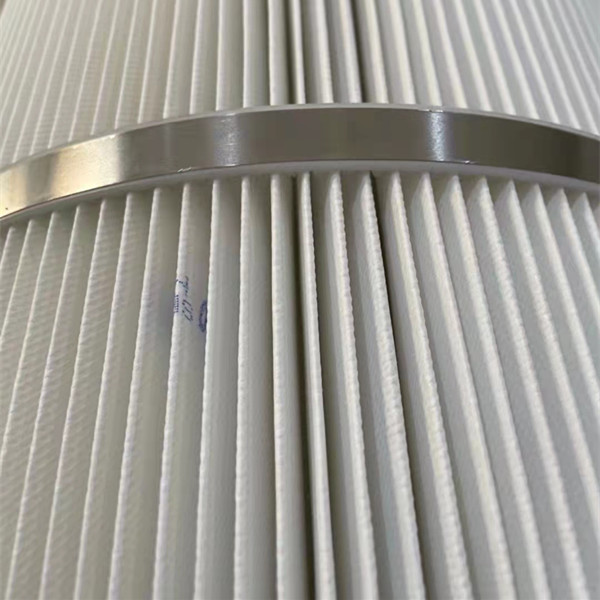
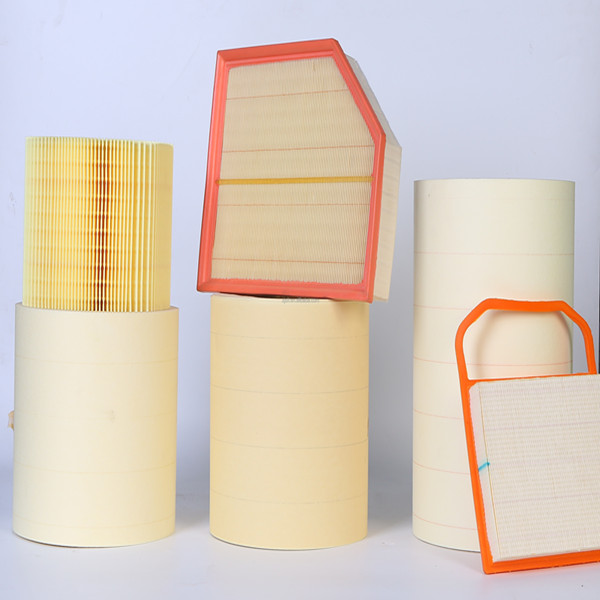
In simplest terms, diesel filter paper is a specialized porous material engineered to trap contaminants from diesel fuel. It acts as a barrier inside fuel filters, keeping engines safe from abrasive debris and moisture that cause wear and corrosion.
Manufactured typically from cellulose or synthetic fibers, this paper balances fine filtration with strong flow rates — a delicate act. It’s used widely not only in transportation but also in humanitarian contexts where reliable fuel storage and operation are vital, such as in remote clinics or disaster relief generators.
Core Components of Diesel Filter Paper
1. Durability
Diesel filter paper must resist chemical degradation from hydrocarbons and additives while maintaining structural integrity under pressure. Longevity means fewer filter replacements, which cuts downtime.
2. Fine Particle Filtration
The effectiveness hinges on pore size. Quality papers filter particles as small as 4 microns, essential to protect sensitive engine parts like fuel injectors.
3. Water Absorption
Water contamination in diesel causes corrosion and microbial growth. Some advanced diesel filter papers incorporate hydrophobic layers or water-absorbing properties to mitigate this risk.
4. Flow Resistance
It’s tricky: filter paper must trap dirt efficiently but not restrict fuel flow, as that would starve engines or increase fuel pump strain. Design balances filtration and flow rate carefully.
5. Scalability and Customization
Different machinery demands varied filter sizes and grades. The adaptability of diesel filter paper to various fuel filter designs makes it highly versatile in automotive, marine, and industrial applications.
Diesel Filter Paper Specifications
| Parameter | Typical Value / Range | Importance |
|---|---|---|
| Micron Rating | 4-10 microns | Particle filtration efficiency |
| Material Composition | Cellulose/Synthetic fiber blends | Durability & chemical resistance |
| Water Repellency | Hydrophobic treatments or absorptive layers | Prevents corrosion and microbial growth |
| Thickness | 0.3 - 1.2 mm | Balances filtration and flow resistance |
Real-World Uses of Diesel Filter Paper
- Transportation: Trucks, buses, and construction vehicles globally use diesel filter papers to ensure longevity and meet emissions regulations.
- Marine Industry: Ships rely heavily on high-quality filtration to prevent engine fouling from harsh seas and variable fuel quality.
- Emergency and Remote Locations: Diesel generators powering clinics or communications in humanitarian operations depend on trusted filter media to avoid breakdowns.
- Agriculture: Farming equipment in developing regions benefits from improved filter papers, enhancing operational uptime.
For example, in post-disaster relief situations, clean diesel fuel can be scarce — and filtration plays a critical role ensuring generators keep running to power vital equipment. Diesel filter paper is thus more than technical gear; it supports safety and dignity under hardship.
Vendor Comparison: Diesel Filter Paper Providers
| Vendor | Material Type | Micron Range | Sustainability Efforts | Use Cases |
|---|---|---|---|---|
| FilterTech Inc. | Cellulose with synthetic blend | 4-8 microns | Recyclable packaging, eco-friendly processes | Automotive, marine |
| PureFlow Solutions | Advanced synthetic fibers | 3-5 microns | Focus on biodegradable materials | High-performance logistics |
| EcoFiltra Corp. | Cellulose, water-absorbing treatment | 5-10 microns | Sustainable raw material sourcing | Humanitarian and agriculture |
Why Invest in Diesel Filter Paper? Advantages and Long-Term Value
One doesn’t appreciate fuel filtration until expenses pile up from engine failures or excessive emissions fines. Diesel filter paper safeguards engines, reducing unexpected maintenance costs and enhancing reliability — which frankly means peace of mind for operators.
Sustainability is also crucial now. Good filter papers reduce waste by extending filter life and fuel efficiency, shrinking one’s carbon footprint. On the social side, clean fuels produce less harmful smoke, which improved air quality and health outcomes worldwide.
On a softer note, it “feels” good knowing equipment running vital infrastructure is protected by proven filtration technology. Reliability fosters trust in humanitarian aid and industrial productivity alike.
What’s Next? Future Trends in Diesel Filter Paper
- Green Materials: Research into biodegradable and recycled fibers aims to reduce environmental impact even more.
- Smart Filtration: Embedded sensors could soon monitor filter condition in real time, signaling replacements before issues arise.
- Nanotechnology: Enhancing filtration precision and water repellency through nano-coatings or fiber treatments.
- Regulatory Advances: Stricter global emissions standards will naturally push manufacturers to improve diesel filter specifications.
It’s a fascinating evolution, blending old craft with cutting-edge science to keep diesel engines cleaner and more sustainable.
Challenges and Practical Solutions
Diesel filter paper isn’t perfect — it faces challenges like clogging speed, cost constraints, and variable fuel qualities in different markets. Some papers degrade under extreme temperatures or fuel additives, complicating universal standards.
However, innovation brings layered composites, hybrid filter media, and improved manufacturing controls that extend usable life and adaptation to local fuels. Supplier transparency and standardized testing help users select the right paper grade for their needs.
FAQ: Frequently Asked Questions About Diesel Filter Paper
1. What micron rating should I choose for diesel filter paper?
Generally, 4–10 microns filter out most harmful contaminants without overly restricting fuel flow. The ideal rating depends on your engine’s sensitivity and fuel quality. Smaller micron ratings mean finer filtration but may require more frequent changes.
2. Can diesel filter paper handle water contamination?
Some filter papers come with hydrophobic or water-absorbing treatments to trap water, preventing corrosion and microbial growth. However, severe water contamination usually requires additional water separators.
3. How often should diesel filter paper be replaced?
Replacement intervals vary by engine type, operating conditions, and fuel quality but typically range from 10,000 to 30,000 miles or 6 to 12 months for stationary engines. Monitoring fuel quality can help optimize timing.
4. Are there eco-friendly diesel filter paper options?
Yes, vendors increasingly offer biodegradable fibers and recyclable packaging to reduce environmental impact. This aligns with global sustainability goals and can benefit companies with green certifications.
5. What happens if the diesel filter paper clogs?
Clogging reduces fuel flow, risking engine performance issues or shutdown. Modern engines often signal filter blockages in advance, allowing timely filter changes, but ignoring symptoms can cause costly damage.
Conclusion
In real terms, diesel filter paper is a vital but often overlooked component that makes diesel-powered systems more reliable, cleaner, and sustainable worldwide. From trucks hauling goods to humanitarian generators running lifesaving clinics, this simple technology quietly carries huge responsibility.
To explore industry-leading diesel filter paper options, and learn more about how advanced filtration solutions can boost your operations, visit our website today.
Mini takeaway: Diesel filter paper plays a crucial role not only in engine performance but in global efforts towards cleaner air and sustainable energy use.
References
Post time: Dec-03-2025