Understanding Wire Screen Filter Technology
In various industrial processes, effective filtration is paramount for maintaining product quality, protecting equipment, and ensuring operational efficiency. Wire screen filters play a crucial role in achieving this, offering a robust and versatile solution for separating solids from liquids or gases. This article provides a comprehensive overview of wire screen filters, their applications, advantages, and considerations for selecting the right filter for your specific needs. Choosing the appropriate filtration method can significantly impact your overall process performance. Anya Filter Media specializes in providing high-quality wire screen filters tailored to diverse industry requirements.
What is a Wire Screen Filter?
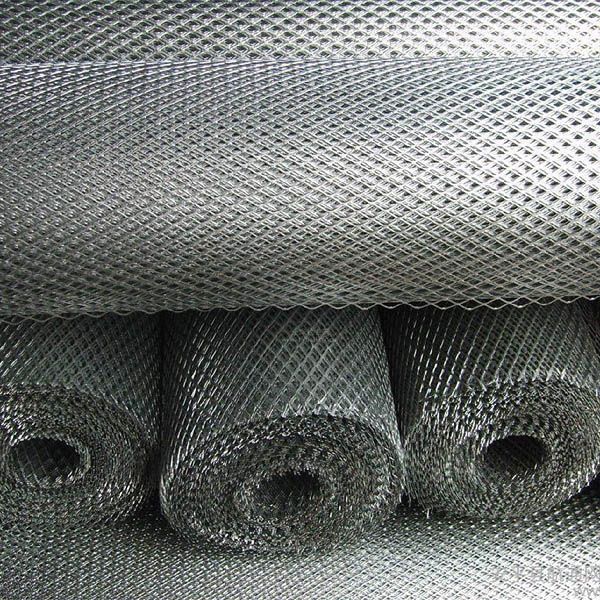
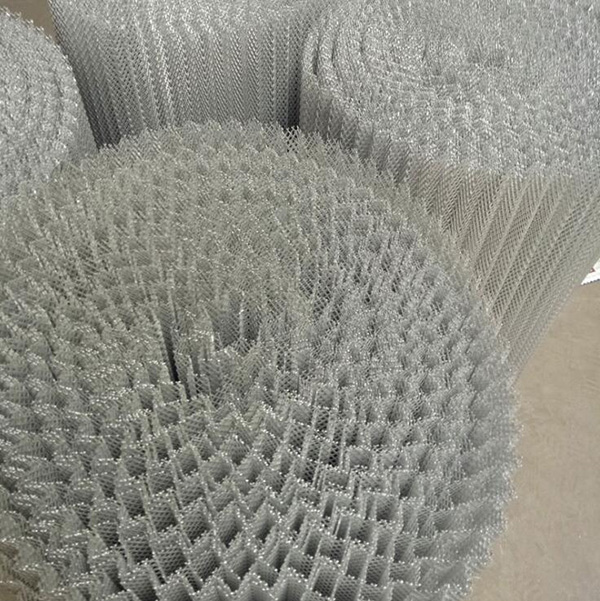
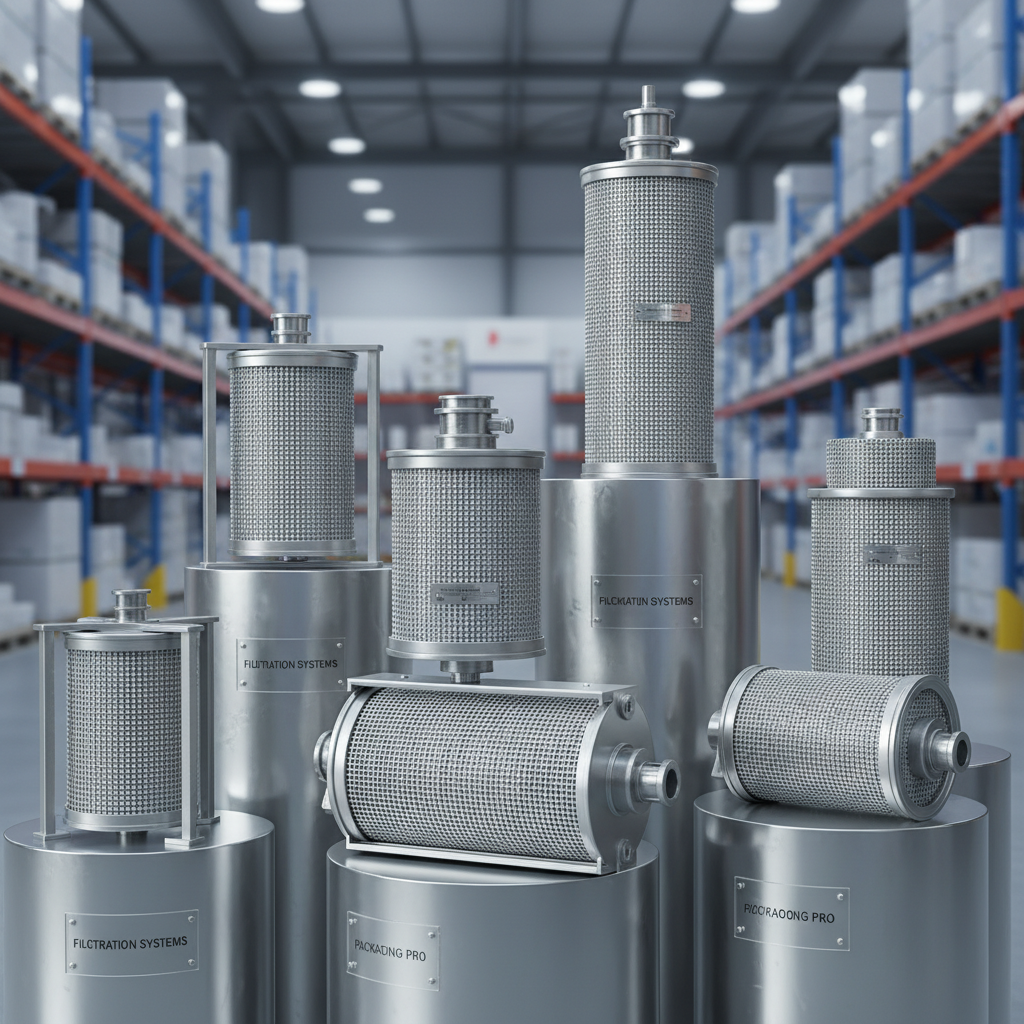
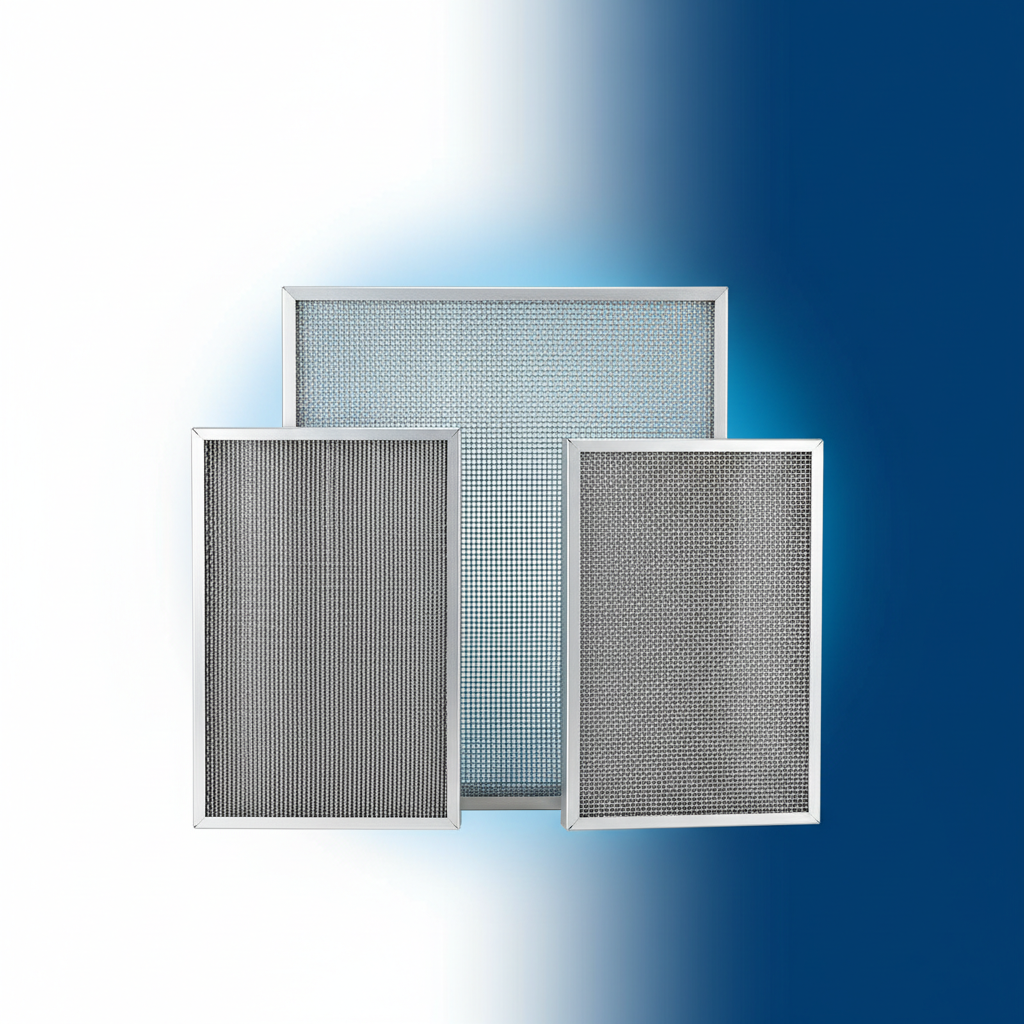
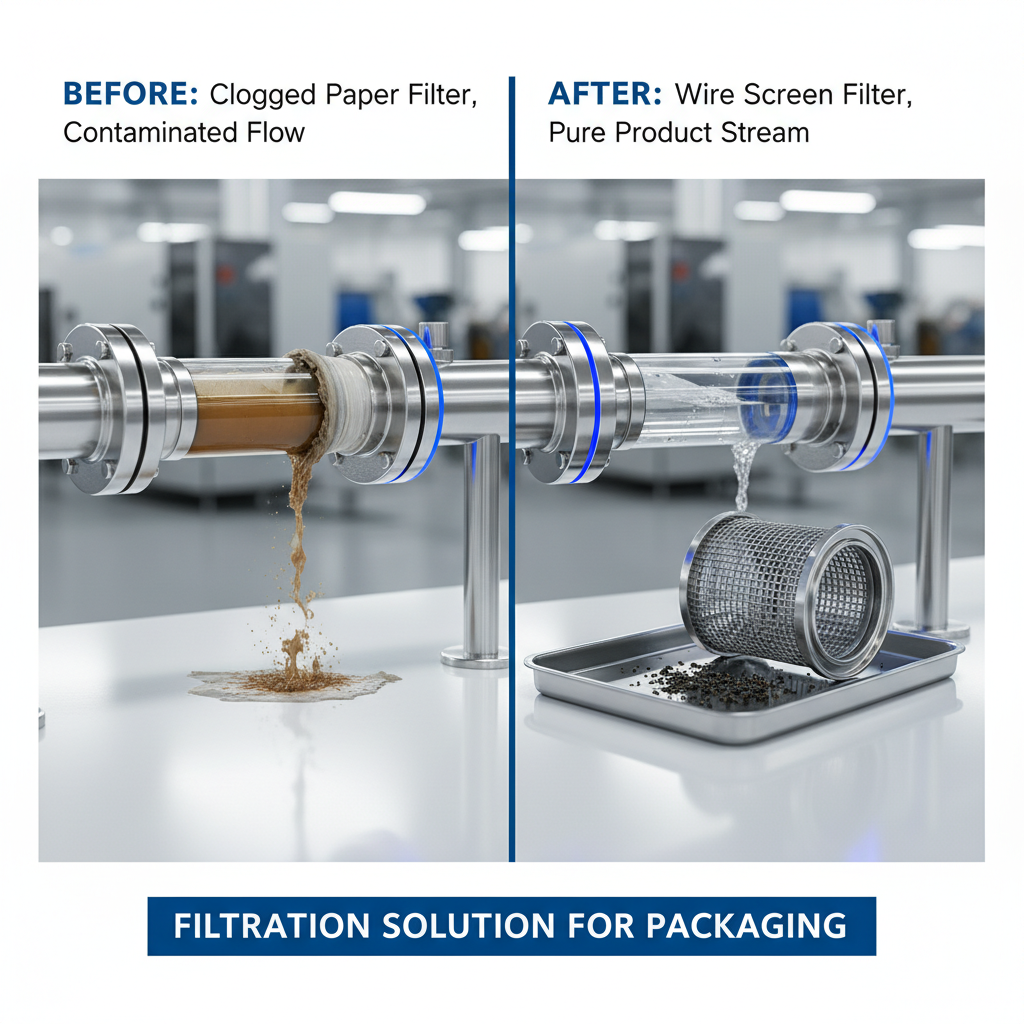
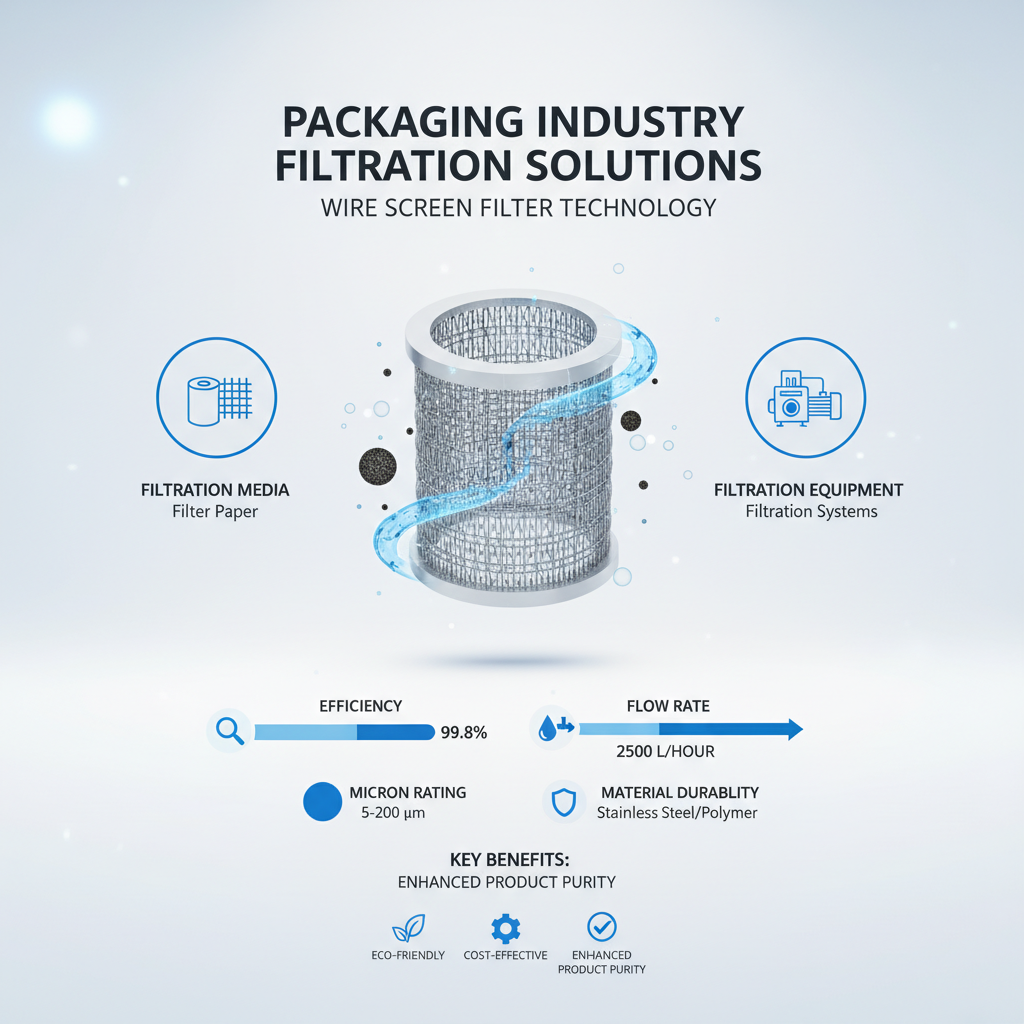
A wire screen filter is a type of mechanical filter constructed from interwoven wires, creating a porous medium that traps particles as fluid passes through. These filters are available in various materials, including stainless steel, carbon steel, and alloy metals, each offering different levels of corrosion resistance and strength. The wire mesh size (measured in microns) determines the filter's ability to capture particles of specific sizes. They are commonly used in applications requiring robust filtration, handling high temperatures, or resisting harsh chemicals. Their simple design and ease of cleaning make them a cost-effective filtration solution for many industries.
Key Highlights: Wire screen filters are designed for robust filtration, high-temperature applications, and resistance to harsh chemicals. They offer a cost-effective solution with a simple design and ease of cleaning.
Common Applications of Wire Screen Filters
Wire screen filters find diverse applications across a broad spectrum of industries. Some of the most common include: water treatment, chemical processing, oil and gas, food and beverage, pharmaceuticals, and pulp and paper. In water treatment, they remove sediment and debris, ensuring clean water supplies. In chemical processing, they separate catalysts or unwanted byproducts. The oil and gas industry utilizes them for protecting pipelines and equipment. Food and beverage manufacturers employ them for clarifying liquids and removing contaminants. Anya Filter Media caters to these varied industries with tailored wire screen filter solutions.
Application Areas:
• Water Treatment
• Chemical Processing
• Oil & Gas
• Food & Beverage
Wire Screen Filter Materials: A Comparative Analysis
Selecting the appropriate material for your wire screen filter is crucial for ensuring its longevity and performance. Common materials include stainless steel (304, 316), carbon steel, and various alloys. Stainless steel offers excellent corrosion resistance and is suitable for most applications. Carbon steel is more affordable but requires protective coatings to prevent rust. Alloys provide specialized resistance to specific chemicals or extreme temperatures. Here’s a comparison table:
Factors to Consider When Selecting a Wire Screen Filter
Choosing the right wire screen filter involves evaluating several key factors. First, determine the particle size you need to remove – this dictates the mesh size. Second, consider the fluid's chemical composition and temperature to select a compatible material. Third, assess the pressure drop the filter can tolerate within your system. Fourth, evaluate the filter's ease of cleaning and maintenance. Finally, consider the flow rate requirements of your process to ensure the filter doesn’t create a bottleneck. Anya Filter Media’s experienced team can assist you in navigating these considerations.
Benefits of Using Wire Screen Filters
Wire screen filters offer numerous benefits, including their robust construction, high flow rates, and ease of cleaning. They can handle high pressures and temperatures, making them suitable for demanding applications. Their simple design translates to lower maintenance costs. They are also available in a wide range of materials and configurations to meet specific requirements. Ultimately, selecting the right wire screen filter improves process efficiency, protects equipment, and ensures product quality.
Conclusion: Investing in Reliable Filtration
Investing in high-quality wire screen filters from a trusted supplier like Anya Filter Media is a proactive step towards optimizing your industrial processes. By carefully considering your application needs and selecting the appropriate materials and mesh sizes, you can achieve efficient filtration, protect your equipment, and ensure product quality. Don't compromise on filtration – choose Anya Filter Media for reliable performance and expert support.
Frequently Asked Questions (FAQs)
What is the typical lifespan of a wire screen filter?
The lifespan of a wire screen filter depends heavily on the application, the nature of the fluid being filtered, and the frequency of cleaning. With proper maintenance – including regular cleaning to remove accumulated debris – a wire screen filter can last for several years. However, if the filter experiences excessive pressure, chemical attack, or physical damage, its lifespan will be reduced. Inspect the filter regularly for signs of wear and tear, such as cracks, corrosion, or deformation of the mesh. Anya Filter Media provides guidance on proper filter maintenance and replacement schedules.
How do I clean a wire screen filter?
Cleaning a wire screen filter depends on the type of contaminants it has captured. For simple sediment or debris, backwashing with clean fluid or using a brush and mild detergent is often sufficient. For more stubborn buildup, ultrasonic cleaning or chemical cleaning may be necessary. Always follow the manufacturer's instructions for cleaning, and ensure the cleaning agent is compatible with the filter material. Avoid using abrasive cleaners that could damage the mesh. Always rinse the filter thoroughly after cleaning.
What mesh size should I choose for my application?
The appropriate mesh size depends on the size of the particles you need to remove. A smaller mesh size will capture smaller particles but may also clog more quickly. A larger mesh size will allow higher flow rates but may not remove all of the desired particles. It's essential to analyze your fluid stream and determine the size distribution of the contaminants. Anya Filter Media’s team can assist you in selecting the optimal mesh size based on your specific application requirements.
Can wire screen filters be used for hot liquids or gases?
Yes, wire screen filters can be used for hot liquids or gases, provided the filter material is compatible with the temperature and chemical composition. Stainless steel and certain alloys are commonly used for high-temperature applications. However, it's crucial to consider the thermal expansion properties of the materials to prevent stress and deformation. Always consult with a filtration specialist to ensure the filter is suitable for your specific operating conditions. Anya Filter Media offers filters designed for a wide range of temperatures and pressures.
Post time: Mar-17-2026