Stainless Steel Mesh Screen Filter: A Comprehensive Guide
When selecting a filtration solution for industrial processes, particularly in applications dealing with liquids or solids separation, a stainless steel mesh screen filter stands out for its durability, efficiency, and versatility. This article will explore the benefits, applications, types, and considerations when choosing a stainless steel mesh screen filter, providing a thorough overview for engineers, procurement specialists, and anyone seeking a reliable filtration system. Effective filtration is crucial for maintaining product quality and protecting equipment from damage.
Understanding Stainless Steel Mesh Screen Filters
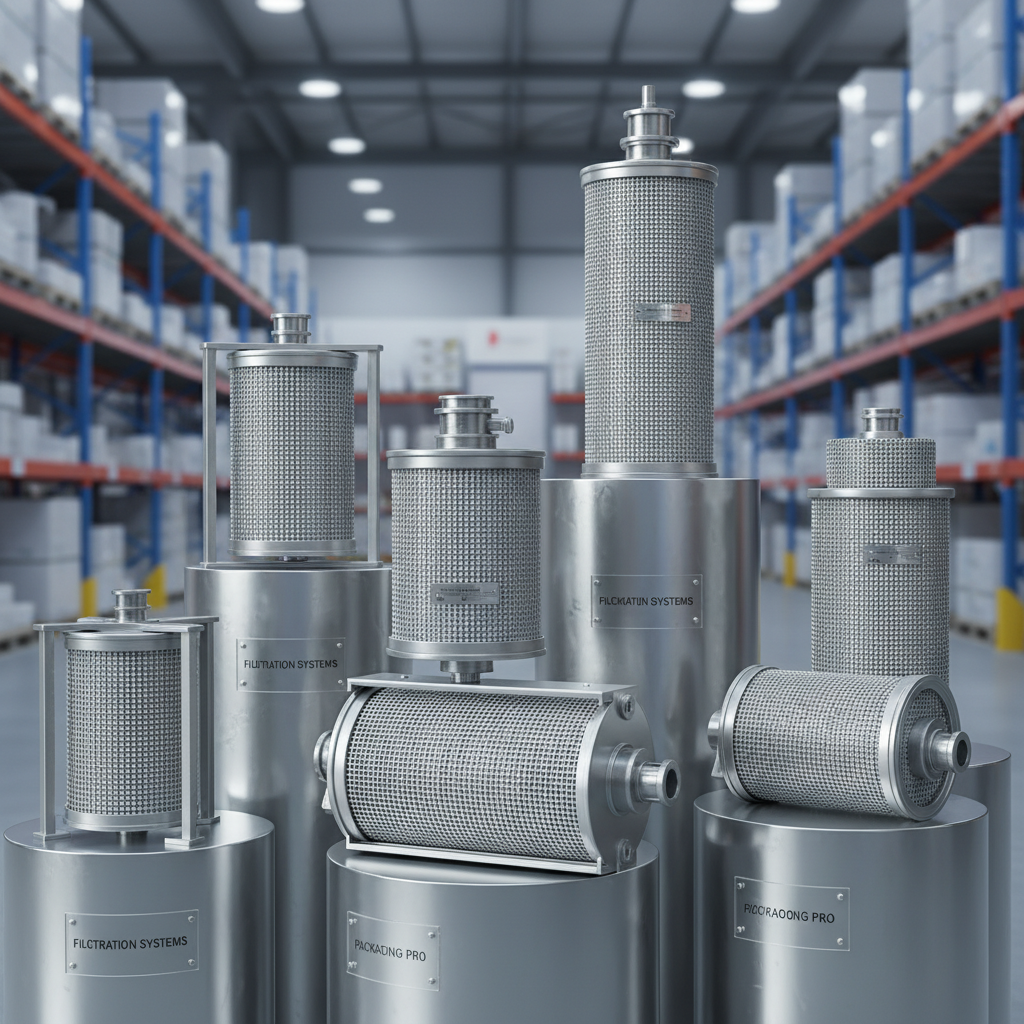
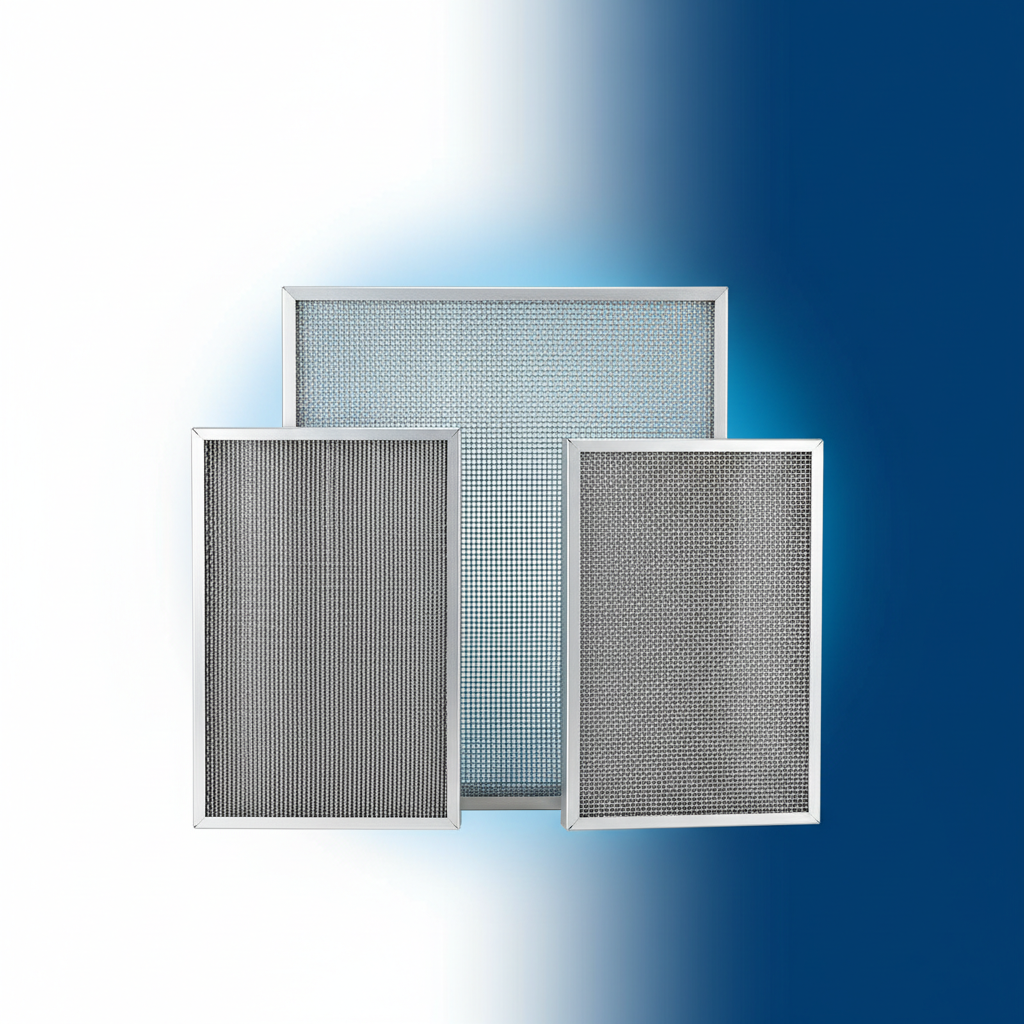
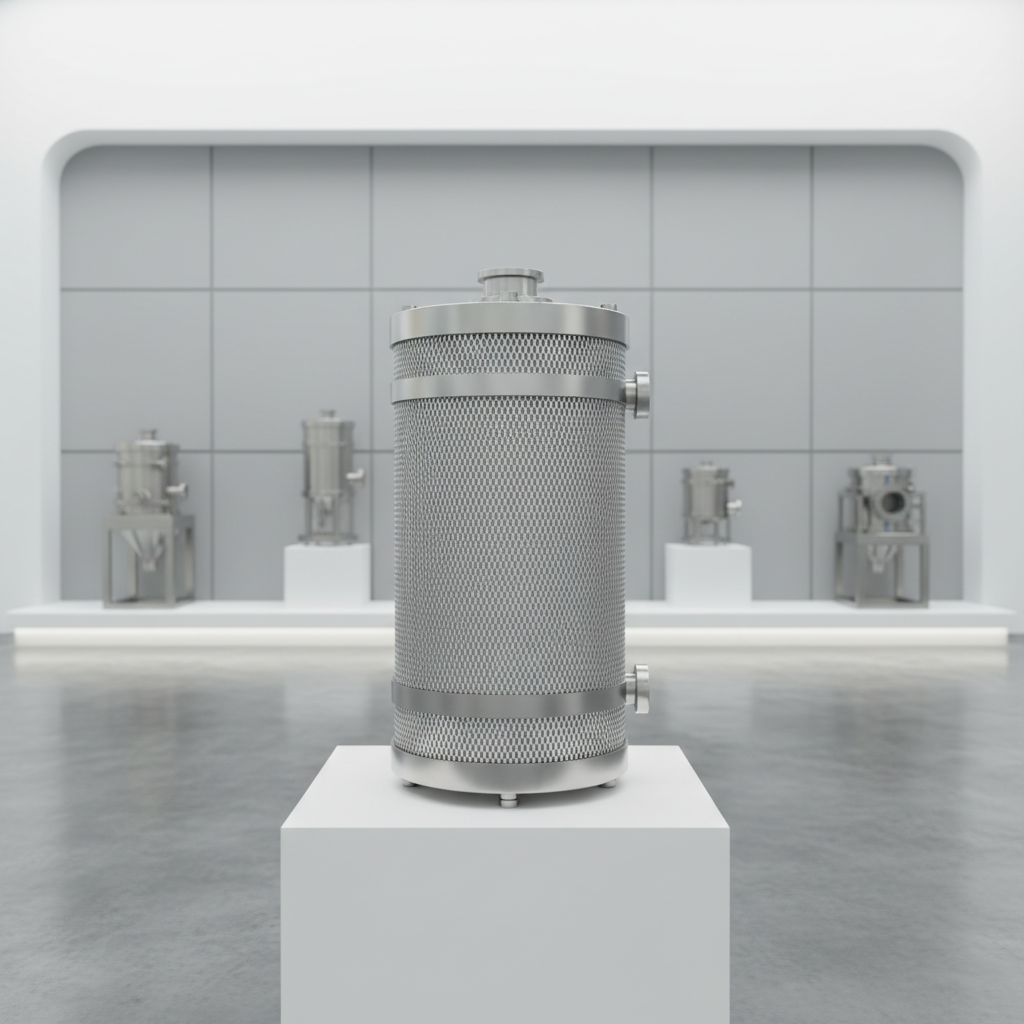
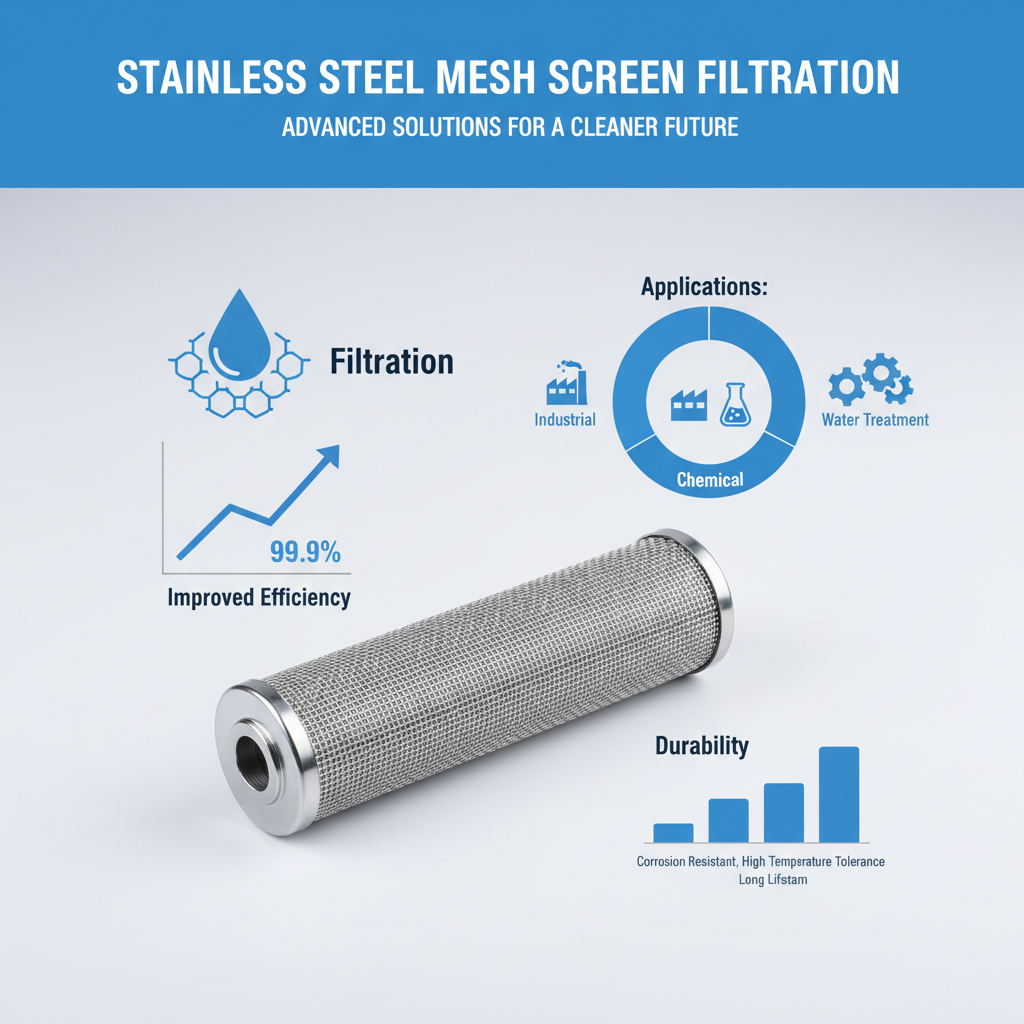
Stainless steel mesh screen filters are constructed from woven stainless steel wire, offering exceptional resistance to corrosion, high temperatures, and pressure. They are widely used to remove particles, debris, and contaminants from liquids, gases, and semi-solids. The filter's efficiency is determined by the mesh size, which defines the size of particles it can effectively capture. These filters come in various configurations, including discs, cylinders, and sheets, allowing for customization to specific application requirements. A key advantage of stainless steel mesh is its cleanability – many are designed for backwashing or can be easily cleaned for reuse, reducing operational costs. Explore our wide range of stainless steel filter media at Anya Filter Media.
Key Highlights: Offers exceptional resistance to corrosion, high temperatures, and pressure. Suitable for diverse applications needing robust and reliable filtration.
Applications of Stainless Steel Mesh Screen Filters
The versatile nature of stainless steel mesh screen filters makes them essential components across numerous industries. In the chemical processing sector, they safeguard downstream equipment from damaging particles. Within the food and beverage industry, these filters ensure product purity and compliance with stringent hygiene standards. Water treatment plants rely on them to remove sediment and debris, ensuring clean and safe drinking water. Additionally, they play a critical role in pharmaceutical manufacturing, air filtration systems, and even automotive applications. From pre-filtration to polishing filters, Anya Filter Media provides solutions for every need.
Key Application Areas:
• Chemical Processing
• Food & Beverage
• Water Treatment
• Pharmaceutical Manufacturing
Stainless Steel Mesh Filter Types & Specifications
Stainless steel mesh screen filters are available in various weaves and configurations to match diverse requirements. Common weaves include plain weave, twill weave, and Dutch weave, each offering different filtration characteristics. Plain weave provides consistent openings, twill weave offers higher strength and can handle larger particle loads, and Dutch weave excels at filtering fine particles due to its increased density. Here's a comparison of common types:
Key Considerations When Selecting a Stainless Steel Mesh Screen Filter
Selecting the right filter involves careful consideration of several factors. First, determine the particle size you need to remove to choose the appropriate mesh size. Next, assess the fluid's viscosity, temperature, and chemical compatibility to ensure the filter material can withstand the conditions. Consider the pressure drop across the filter, as this can impact system efficiency. Finally, evaluate the filter's cleanability and lifespan to minimize maintenance and replacement costs. Anya Filter Media offers expert guidance to help you select the optimal filter for your specific application.
Benefits of Choosing Stainless Steel Mesh Screen Filters
Opting for stainless steel mesh screen filters delivers numerous benefits. Their exceptional durability translates to a long service life, reducing replacement frequency. The resistance to corrosion ensures consistent performance in harsh environments. The ability to clean and reuse many designs lowers operational costs and minimizes waste. Furthermore, the availability of various mesh sizes and weaves allows for precise customization to meet specific filtration needs. Anya Filter Media is committed to providing high-quality, cost-effective filtration solutions that exceed customer expectations.
Conclusion: Reliable Filtration for Optimal Performance
Stainless steel mesh screen filters provide a durable, efficient, and cost-effective solution for a wide range of filtration challenges. By carefully considering your specific application requirements and selecting the appropriate weave and mesh size, you can ensure optimal performance and protect your valuable equipment. Contact Anya Filter Media today to discuss your filtration needs and receive expert guidance.
Frequently Asked Questions (FAQs)
What is the typical lifespan of a stainless steel mesh screen filter?
The lifespan of a stainless steel mesh screen filter varies significantly based on the application, fluid characteristics, and maintenance practices. In clean applications with minimal fouling, a filter can last for several years. However, in harsh environments with abrasive particles or corrosive fluids, the lifespan may be shorter. Regular inspection for wear, damage, or clogging is crucial. Cleaning the filter regularly, when possible, can significantly extend its service life. Factors such as pressure and temperature also impact longevity.
How do I clean a stainless steel mesh screen filter?
Cleaning methods depend on the type of contamination. For loose particles, backwashing with a compatible fluid is often effective. For more stubborn deposits, ultrasonic cleaning or chemical cleaning may be necessary. Always consult the filter manufacturer's guidelines for recommended cleaning procedures and compatible cleaning agents. Avoid abrasive cleaners that could damage the mesh. Ensure thorough rinsing after cleaning to remove any residual cleaning agents.
What factors affect the pressure drop across a stainless steel mesh filter?
Several factors influence pressure drop, including the mesh size, fluid viscosity, flow rate, and the amount of accumulated debris. Smaller mesh sizes and higher flow rates generally result in higher pressure drops. As the filter becomes clogged with debris, the pressure drop increases. Regularly monitoring the pressure drop can indicate when cleaning or replacement is necessary. Selecting a filter with an appropriate pressure rating for your application is critical.
Post time: Mar-05-2026